Every summer, many Europeans drive through the far north of Germany. They are on their way to Denmark, Sweden or Norway. They might stop briefly for a sandwich or to fill up the car, then continue their journey without hesitation. Only when we spend nearly a week in and around Flensburg do we realise how much they are missing. Two coastlines, two landscapes and a history that is visible everywhere. We discover places that are often overlooked, and perhaps precisely because of that, they have a charm of their own. The north of Germany is not a transit route. It is a destination in its own right.
In this blog ...
The German–Danish Border Region: A Landscape Between Two Seas and Two Cultures
The German–Danish border region is a place where water, landscape and culture have shaped a shared rhythm for centuries. Its position between the Baltic Sea and the North Frisian Wadden Sea defines much of its character. One coast is sheltered, the other open and expansive. Between them lies a landscape that constantly shifts, yet always remains connected to the water. The region feels spacious and calm without ever feeling empty. It is not an area that demands attention, but one that gradually draws you in.
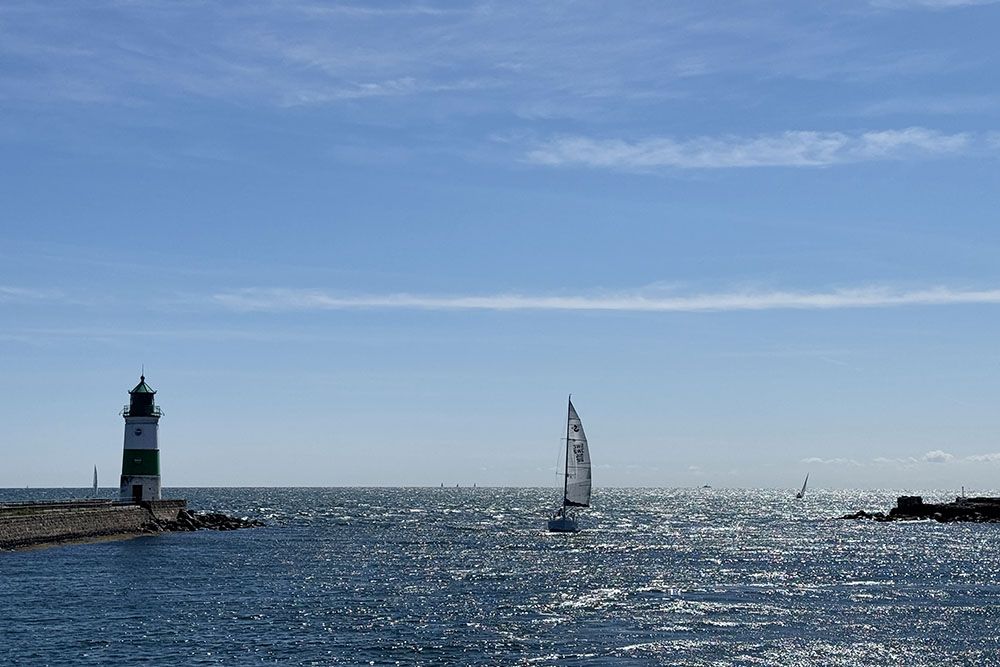
The Baltic Sea forms the quieter side of the region. The Flensburg Fjord and the Schlei extend deep inland, creating a landscape of bends, shores and small harbours. The water is often mirror smooth. Villages and towns sit close to the coast and have long histories of trade and seafaring. The atmosphere is friendly and bright. The nature reserves along the Schlei show how land and water intertwine here. The landscape feels accessible and easy to explore.
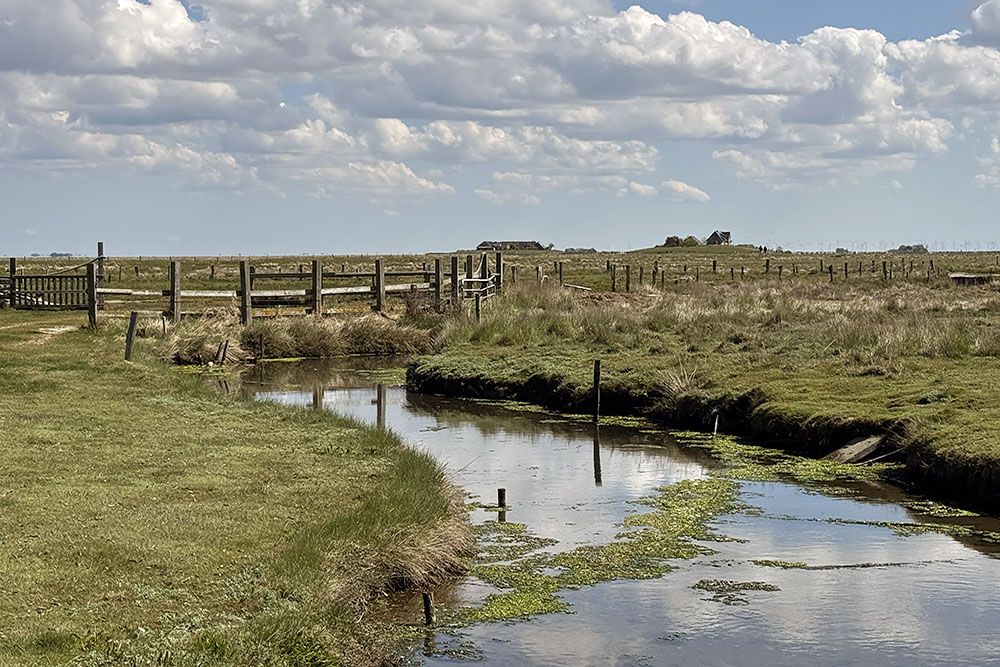
On the western side, the picture changes. The Wadden Sea is open and shaped by the tides. The horizon is wide, and the light shifts constantly. The landscape demands patience and adaptation. The coast is less protected and far more rugged. The influence of wind and water is stronger here. The region shows how people have adapted for centuries to an environment that is never entirely predictable. The differences between the two coasts are striking, yet it is precisely this contrast that makes the area complete.
The German-Danish border region is a place where water, landscape and culture have shaped their own rhythm for centuries. Its position between the Baltic Sea and the North Frisian Wadden Sea gives the area its contrasting character. One coast is sheltered, the other open and expansive. Between them lies a landscape that is constantly changing, yet always connected to the water. As a result, the region feels spacious without ever feeling empty.
Water as a Thread Running Through History
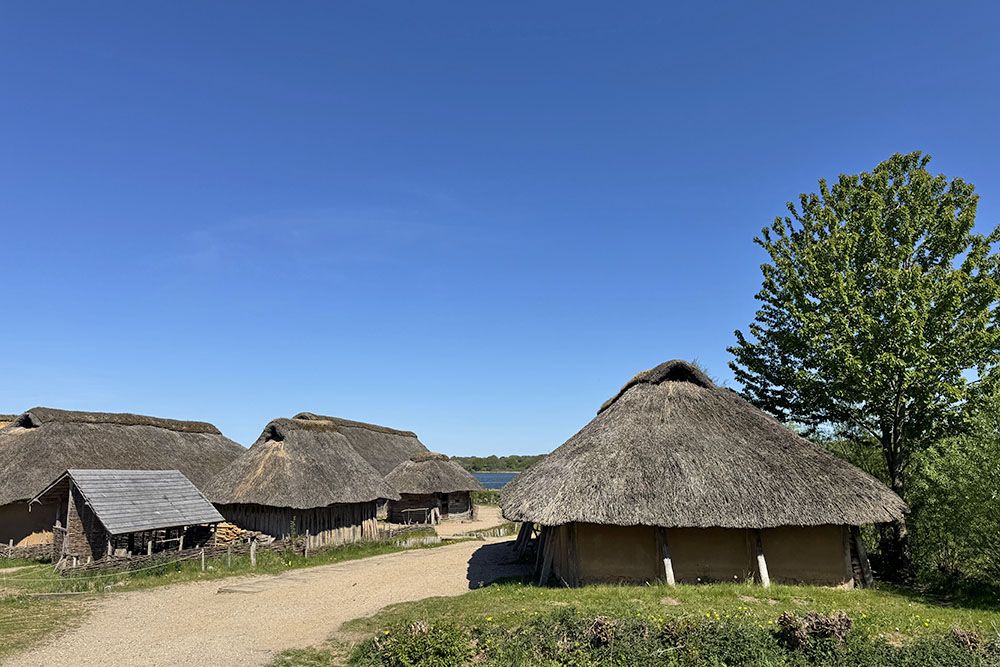
The Schlei was already an important gateway to the interior during the Viking Age. Haithabu, located at the western end of the Schlei, grew into one of the largest trading centres in northern Europe. Ships from many parts of the continent gathered here. The region developed along routes shaped by water. Later, the centre of power shifted to nearby Schleswig, which became a religious and administrative hub. Trade remained essential, and the connections with Scandinavia stayed strong.
Flensburg developed in later centuries into a Hanseatic city with a thriving trade in fish, grain and, later on, rum. The city lay exactly at the crossroads of cultures. The border between Denmark and Germany shifted several times, yet the region remained bilingual and mixed. The 1920 plebiscite fixed the current border, but changed little in daily life. Danish and German continued to exist side by side. The region developed an identity defined not by borders, but by customs, language and history. You can see this blend reflected in architecture, cuisine and traditions.
Even today, the border region continues to evolve without losing its character. The Wadden Sea requires protection and care. The Baltic Sea focuses more on recreation and shipbuilding. The Schlei remains a quiet waterway. Towns and villages adapt, yet stay connected to their past. The combination of two coasts, two cultures and a long history makes this an area that cannot be captured in a single glance. It is a landscape you grow into slowly, and one that keeps surprising you.
Our Route Along Both Coasts
During our road trip through the German–Danish border region, we visit four completely different locations — each with its own character, landscape and story.
Flensburg: A City Between Two Cultures
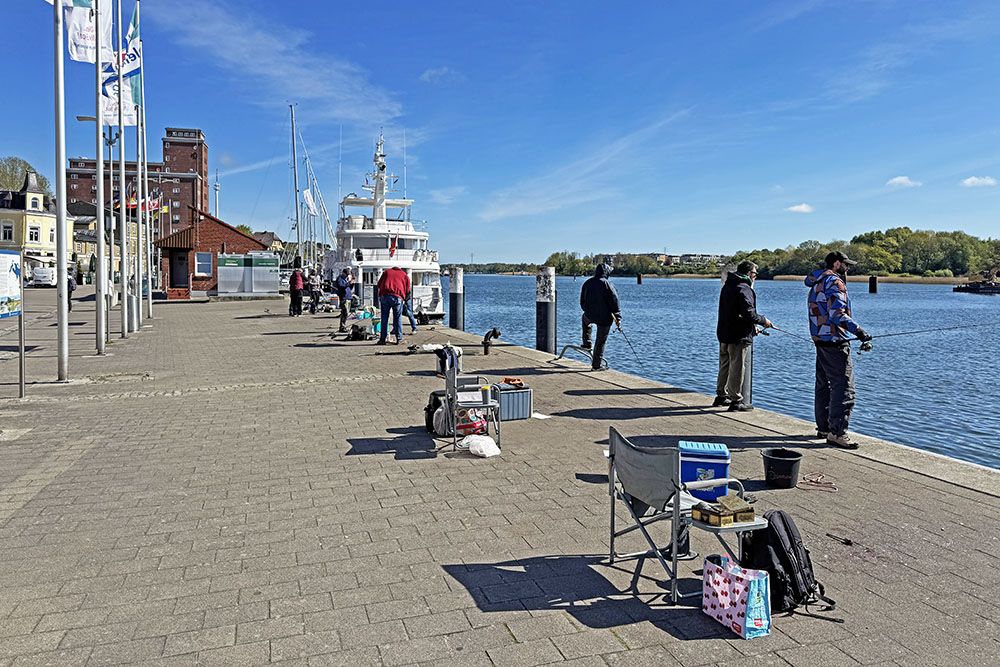
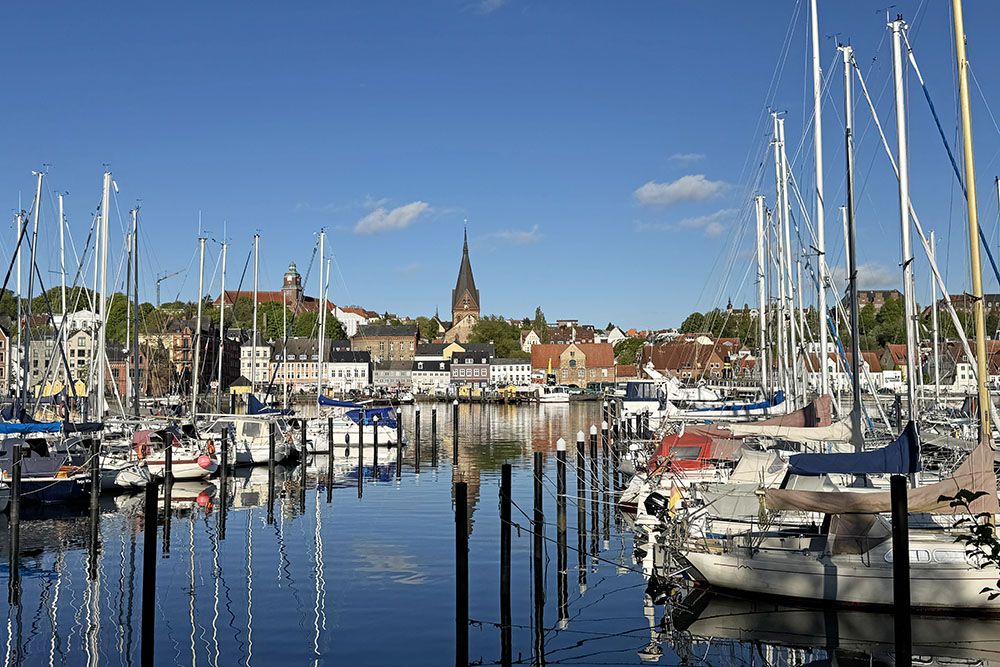
Flensburg is our base during the trip, and immediately one of the biggest surprises. The city feels familiar and different at the same time. As we walk along the harbour, we hear German and Danish blending together. It gives the city a rhythm of its own, fitting for a place where borders have always shifted.
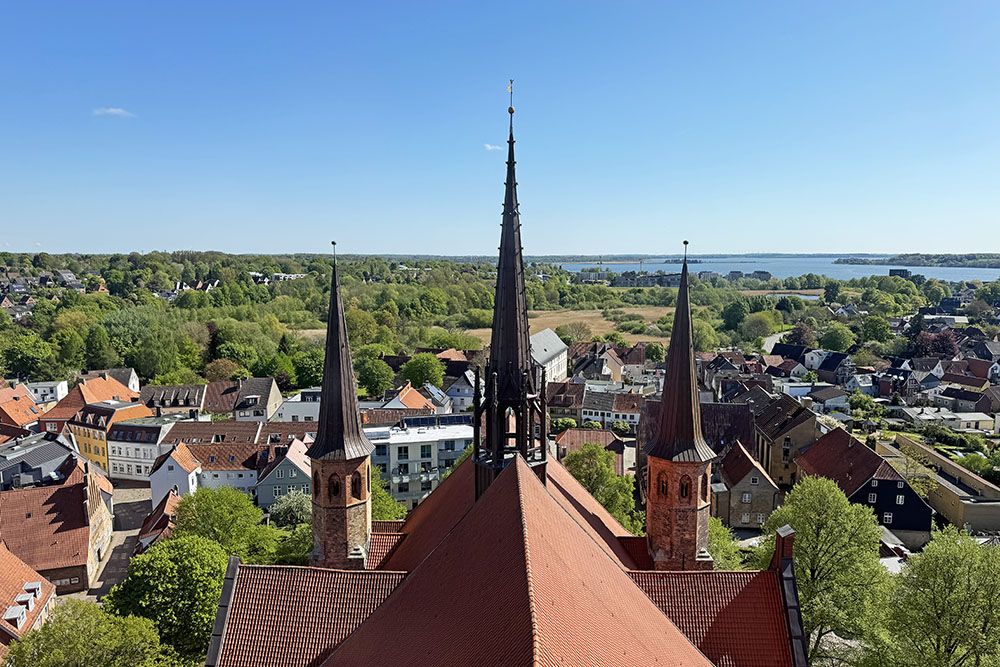
The Altstadt is compact yet rich in detail: courtyards, inner squares, old merchants’ houses, warehouses and traces of the rum trade that once made Flensburg famous. The Museumswerft shows us how ships were built and maintained here. St. Mary’s Church and the Neptun Fountain recall the time when Flensburg was an important trading city.
Along the fjord we find walking paths, historic ships and terraces overlooking the water. And within a few minutes we are in Denmark — the border here is literally a small bridge with a wooden hut.
Schleswig and Haithabu: History Along the Schlei
Schleswig is not a city that overwhelms you at first sight. Yet it reveals more charm the longer you wander through it.
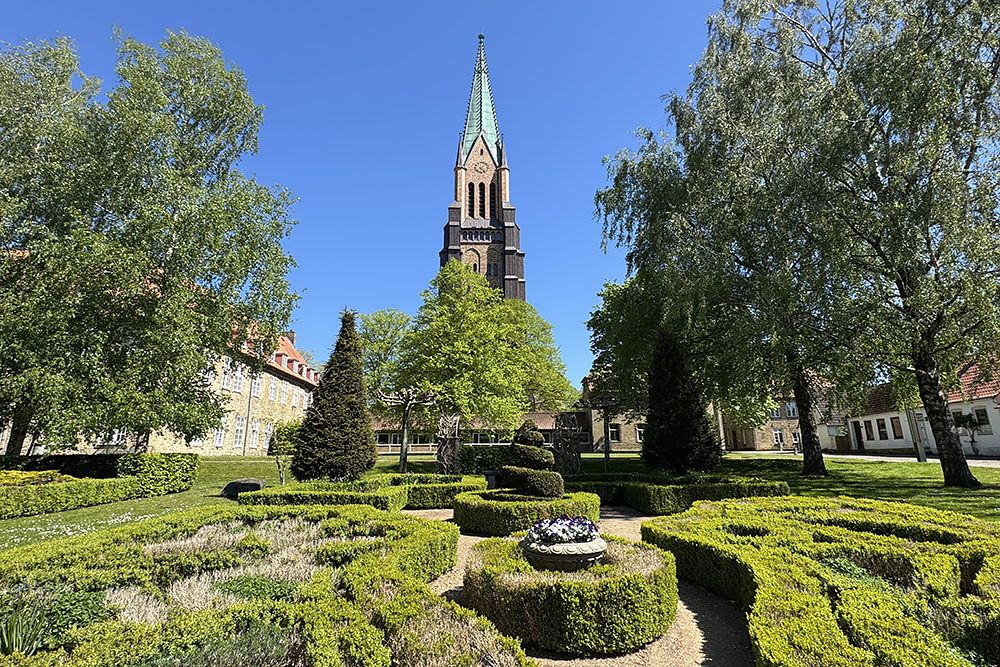
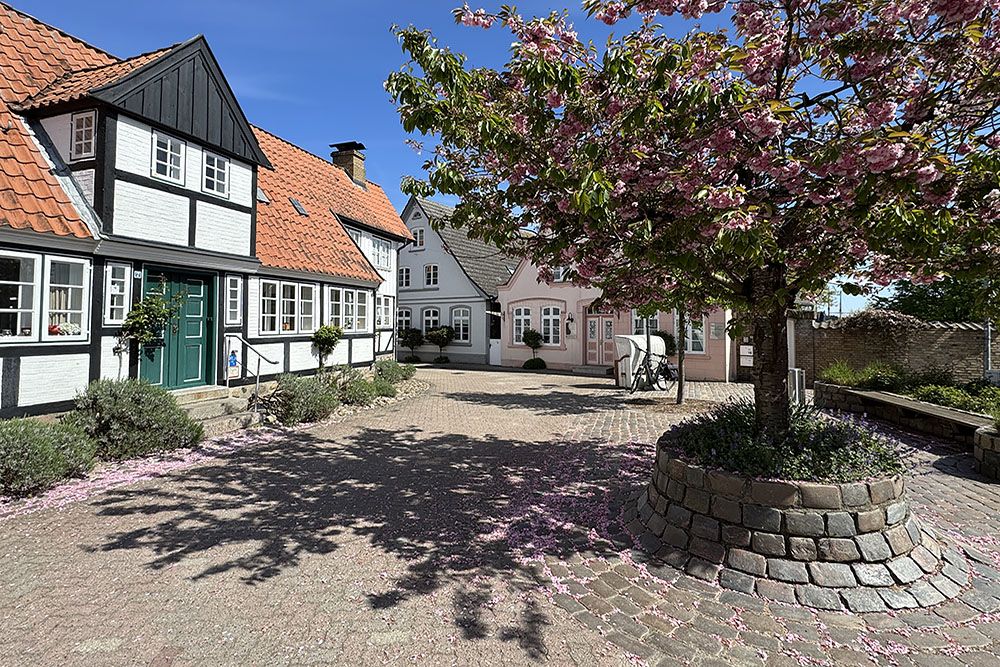
St. Petri Cathedral, with its monumental Bordesholm altarpiece, is an absolute highlight for us. Still, we might find the Holm district even more appealing: fishermen’s cottages, narrow alleys and Klöndören — doors that allowed neighbours to chat without fully opening them.
Haithabu lies nearby and tells the story of the Vikings — not as fierce warriors, but as traders, craftsmen and world travellers. The museum we visit is modern and clearly laid out, while the reconstructed village on the shores of the Schlei feels almost timeless.
The North Frisian Wadden Sea: the Halligen of Oland and Langeneß
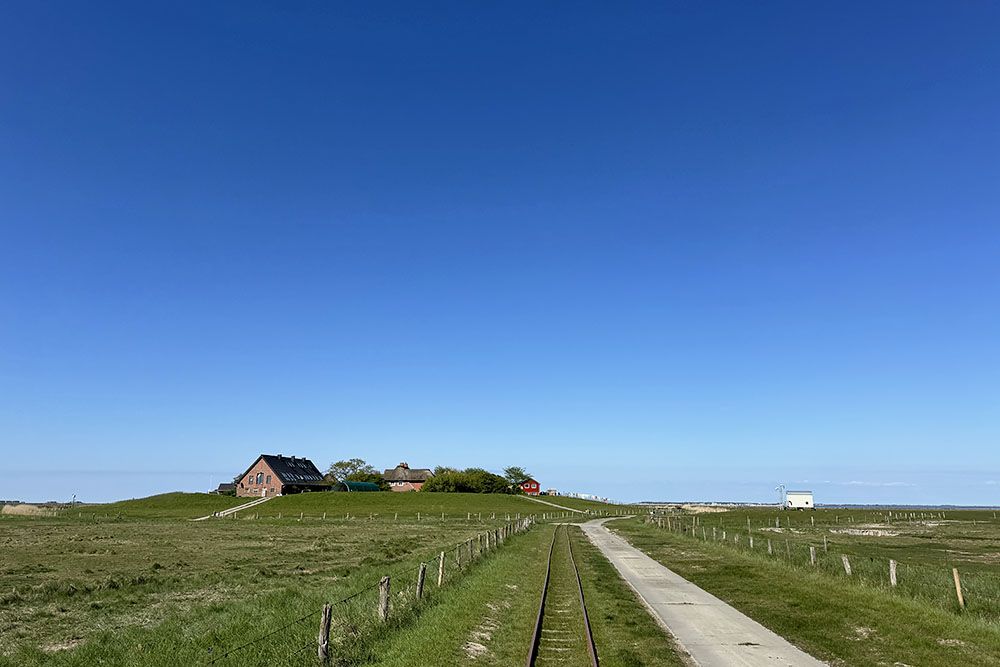
On the western side of the region we find a completely different landscape: the North Frisian Wadden Sea. Here, space and silence dominate. The horizon is wide and empty, and the tides set the rhythm of the day.
The Halligen Oland and Langeneß are unique in Europe. These low lying islands have no dykes, and during storm surges almost everything is flooded — except for the Warften (artificial mounds) on which the houses stand. One thing becomes clear very quickly: life here revolves around water, wind and nature.
We travel by narrow gauge railway across the mudflats to Oland and Langeneß. The journey alone is remarkable: a thin railway line cutting through a landscape that changes constantly. On the Halligen we visit the Tadsen Museum, where we learn about storm surges, traditional clothing and life shaped by the water. A guided mudflat walk shows us how rich the seabed is — from lugworms to migratory birds.
Kappeln, Arnis & the Schlei: Maritime Culture and Coastal Life
Along the Schlei lie several places, each with its own atmosphere. Kappeln is lively, with a harbour, a mill, a promenade and shipyards where work still continues. Maasholm and Schleimünde are quieter, with nature reserves where coastal birds nest and where the wind is always present.
Arnis — the smallest town in Germany — sits on a narrow peninsula and breathes shipbuilding and craftsmanship. The walk we take here is short but beautiful. We look out over the water and along the wooden façades that are so typical of this region.
From Kappeln we take a boat trip along the shores of the Schlei towards the mouth of the inlet. As we sail, marinas, fishing villages and wooden houses with thatched roofs glide past. The landscape shifts between open water, green banks and quiet nature reserves where coastal birds breed.
The Strength of a Border Region
At the end of the week, we look back. We have seen and experienced two coasts, two landscapes and two cultures. Yet it feels like one region. Its strength lies in the combination: history, nature, maritime traditions and a relaxed atmosphere. The blend of German, Danish and Frisian influences makes the area both recognisable and unique.
In the next four blogs, we will dive deeper into the places that surprised us most. Flensburg, Schleswig and Haithabu, the Schlei and the Halligen will each get their own story. Because this region deserves more than a single blog.
Flensburg: our surprising home base on the fjord
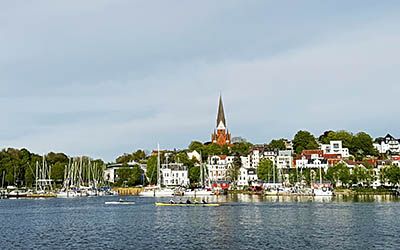
We’re in the far north of Germany to find out whether this region is more than just a transit route to Scandinavia. Flensburg is our home base during this search. The city immediately feels both Danish and German. The mix gives Flensburg...
Frequently Asked Questions About the Border Region in Schleswig-Holstein
Yes. The area around Flensburg, Schleswig, the Schlei and the North Frisian Wadden Sea is ideal for a short break. Distances are small, the atmosphere is calm and there is plenty to see: nature, history and coastal towns without mass tourism.
The region lies exactly between Germany and Denmark. You can see that in the language, architecture and cuisine. On top of that, two completely different coastlines lie close together: the calm Baltic Sea and the rugged Wadden Sea. You won’t find that combination anywhere else in Germany.
Many Europeans simply drive through on their way to Scandinavia. As a result, they miss historic towns, quiet coastal villages and unique landscapes. Its unfamiliar character is precisely what makes this region appealing.
Recommended stops include Flensburg, Schleswig, Haithabu, Kappeln, Arnis and the Halligen Oland and Langeneß. These places offer a mix of culture, nature and maritime history — all within an hour’s drive of each other.
Absolutely. You’ll find dykes, coastal paths, forest trails and quiet walking routes along the Schlei. The Halligen are perfect for short, flat walks with wide open views. The Ochsenweg offers longer stretches through open countryside.
Yes. The region is flat and has many cycle paths. Popular routes run along the Schlei, through coastal villages and across the Angeln peninsula. A visit to the Halligen can easily be combined with a bike ride.
May to September is ideal. Spring is quiet and fresh. Summer is pleasant and lively, but never crowded. Autumn is beautiful along the Schlei and in the Wadden Sea, with soft colours and many birds.
By car, simpy drive north via Hamburg. By train, you travel via Hamburg to Flensburg or Schleswig. Both cities have good connections to the rest of the region.
Plenty of fish and hearty breads, often with Danish influences. Think herring, plaice, smoked eel, rye bread, Danish pastries and local cheeses. In Flensburg you’ll also find products linked to the city’s rum tradition.
Absolutely. The Halligen are unique in Europe. They have no dykes and lie low in the water. You experience silence, space and a landscape that moves with the tides. Oland and Langeneß are easy to reach and perfect for a day trip.
Yes. Flensburg and Schleswig offer the widest range. Along the Schlei you’ll find small places to stay with views of the water. On the Halligen you can stay in small, special accommodations — often right in the middle of the landscape.
Visit museums such as Haithabu, Schleswig Cathedral or the Museumswerft in Flensburg. Cafés, bakeries and small shops in the Altstadt are also perfect for a rainy day.
No. Prices are lower than in Scandinavia. Food, accommodation and activities are affordable. The Halligen are slightly more expensive due to logistics, but still very manageable.
Four to six days is ideal. That gives you time for Flensburg, Schleswig, the Schlei and one or two Halligen. For a shorter three day trip, you can combine Flensburg and Schleswig with a tour along the Schlei.
Yes. Many walking routes are suitable for dogs. Along the coast you’ll find designated dog beaches. In nature reserves there are sometimes rules due to birds and tides, but these are clearly signposted.
The Baltic Sea is calm and sheltered, with fjord like coastlines. The Wadden Sea is open, dynamic and strongly influenced by the tides. The two coasts lie close together, yet feel completely different.
You’ll find traces of the Vikings, the Hanseatic League, the Ochsenweg and the Danish–German border history. Museums, churches, old harbours and landscapes together tell a story that spans thousands of years.
Yes. Flensburg is almost on the border. You can reach South Jutland within minutes. A day trip to Sønderborg, Aabenraa or the Danish coast is easy to do.
Definitely. The Schlei, the small coastal villages and the Halligen are calm and relaxed. You’ll find very little mass tourism. The landscape invites slow travel and spending time outdoors.
We visited the German–Danish border region in Schleswig Holstein at the invitation of the German National Tourist Board. This blog was written independently and objectively, based on our own impressions.