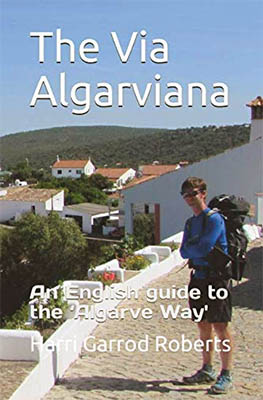
Portugal boasts many beautiful long-distance walking routes, such as the famous Caminho Português to Santiago. Yet, walkers who have completed the Via Algarviana (GR13) often regard it as the most impressive or enjoyable. This 300-kilometre trail through the Algarve’s inland offers a unique combination. The pleasant off-season climate makes walking possible when other routes are too cold. The variety of landscapes and authentic villages reveal a unique and beautiful side of Portugal. The route is also excellently marked and maintained. In mid-October, we had the opportunity to discover the Via Algarviana, and now we understand why passionate walkers speak so highly of this extraordinary trail.
The Via Algarviana: Portugal’s Untouched Walking Paradise
The Via Algarviana is officially designated as GR13 – part of the European network of long-distance paths. The trail starts in the eastern border village of Alcoutim, on the Spanish border, and ends 300 kilometres later at the impressive cliffs of Cabo São Vicente on the Atlantic coast.
The full route consists of fourteen carefully planned stages, each averaging 15 to 25 kilometres. Every stage finishes in a village or small town offering accommodation options, ranging from simple inns to comfortable rural lodgings.
Portugal is home to many stunning long-distance walking trails, including the famous Caminho Português to Santiago. However, those who have walked the Via Algarviana (GR13) often regard it as the most impressive and enjoyable. Stretching 300 kilometres through the Algarve’s inland, this route offers a unique blend of experiences. Its pleasant off-season climate allows for walking when other trails are too cold. The varied landscapes and authentic villages reveal a distinctive and beautiful side of Portugal. The trail is also exceptionally well-marked and maintained. In mid-October, invited by the Algarve Tourism Bureau, we had the opportunity to explore the Via Algarviana, and it quickly became clear why passionate walkers speak so highly of this extraordinary route.
The trail was created in the late 1990s as an initiative to open up the undiscovered inland of the Algarve. After years of development, the full route officially opened to walkers in 2009. Since then, its popularity has steadily grown among nature and culture enthusiasts eager to experience a different face of the Algarve.
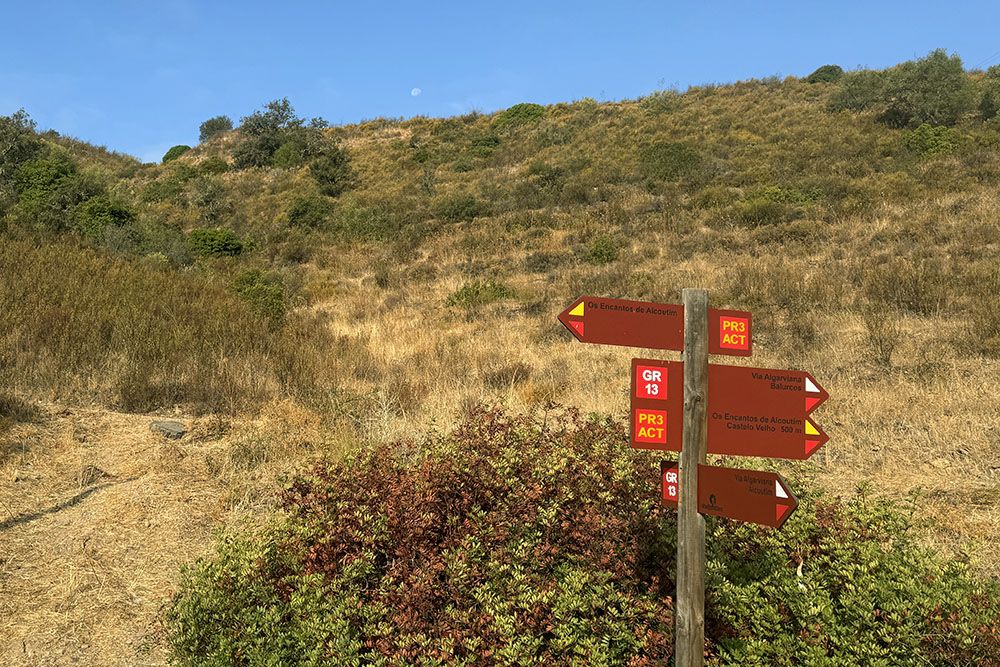
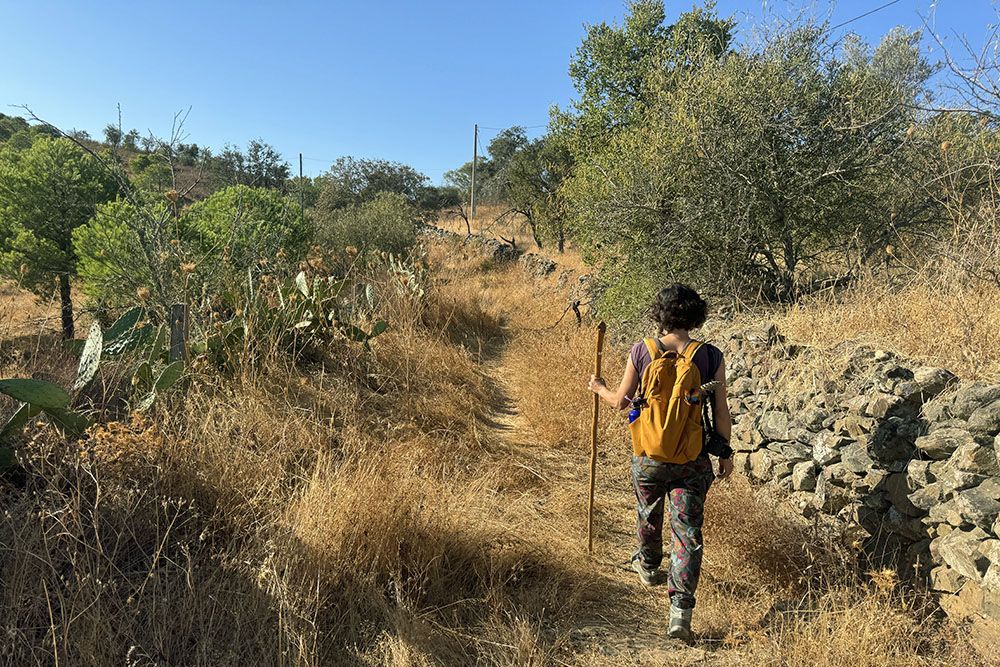
The consistently applied red and white GR markings make navigation remarkably straightforward. We hardly needed to rely on the freely downloadable GPX files.
Great Variety in Landscapes
The Via Algarviana offers highly varied landscapes that change with every stage. The starting point in the east lies along the peaceful Guadiana River, the natural border between Portugal and Spain.
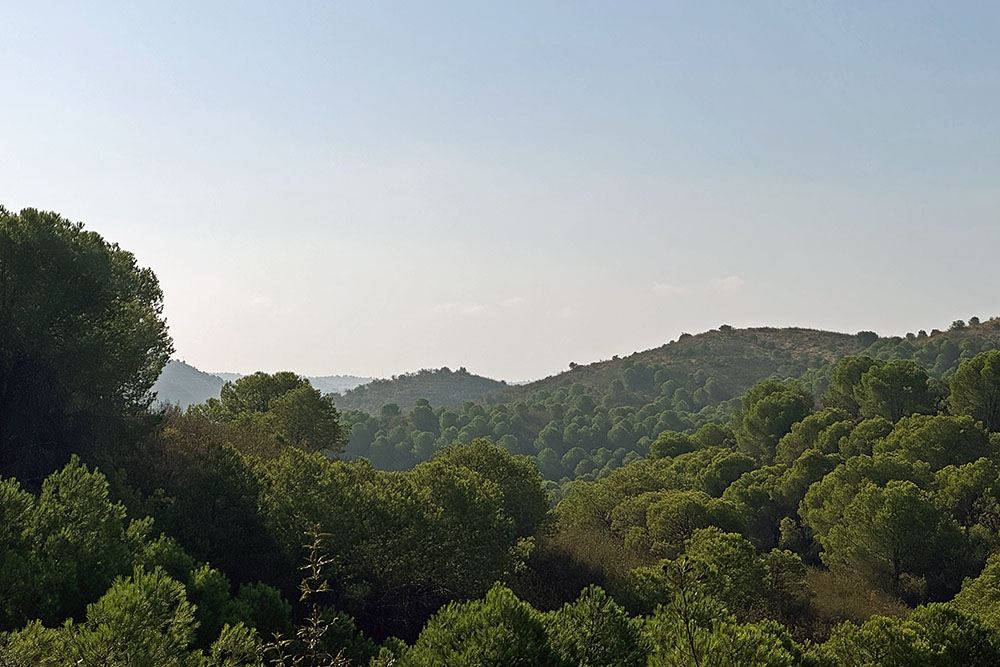
The path then climbs through the Serra do Caldeirão, where vast cork oak plantations dominate the scenery. The cork oak, with its characteristically harvested trunks, produces harvestable cork every nine years. Deeply carved valleys with crystal-clear streams cut through these hills, creating surprisingly green corridors.
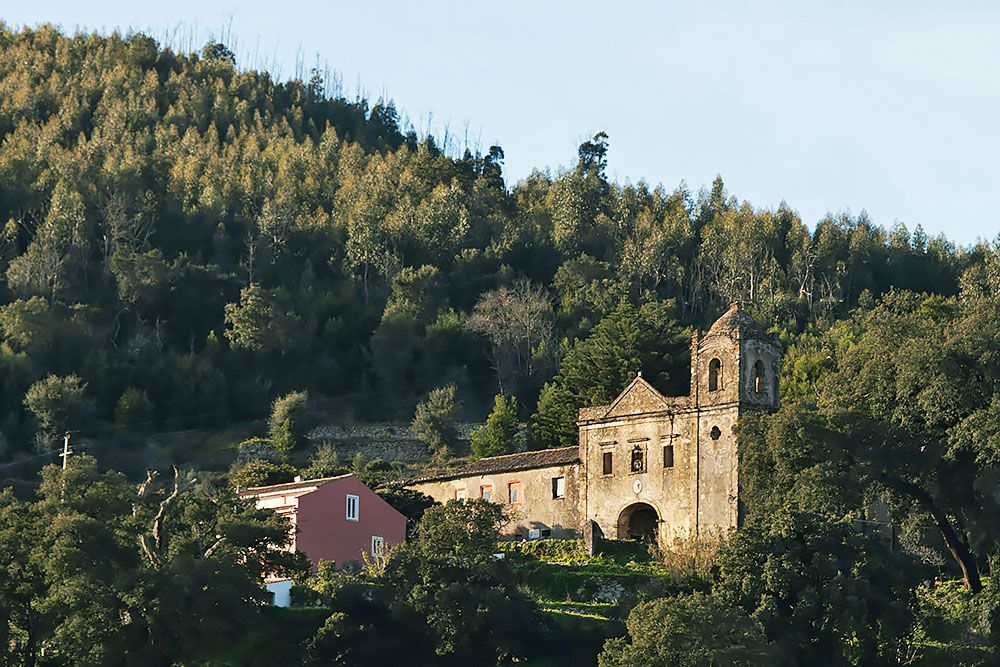
In the central section lie the Algarve’s highest mountains. The Fóia peak in the Serra de Monchique rises 902 metres above sea level. Here, you can enjoy panoramic views over the entire region. Ancient chestnut trees grow alongside rare native plant species found nowhere else.
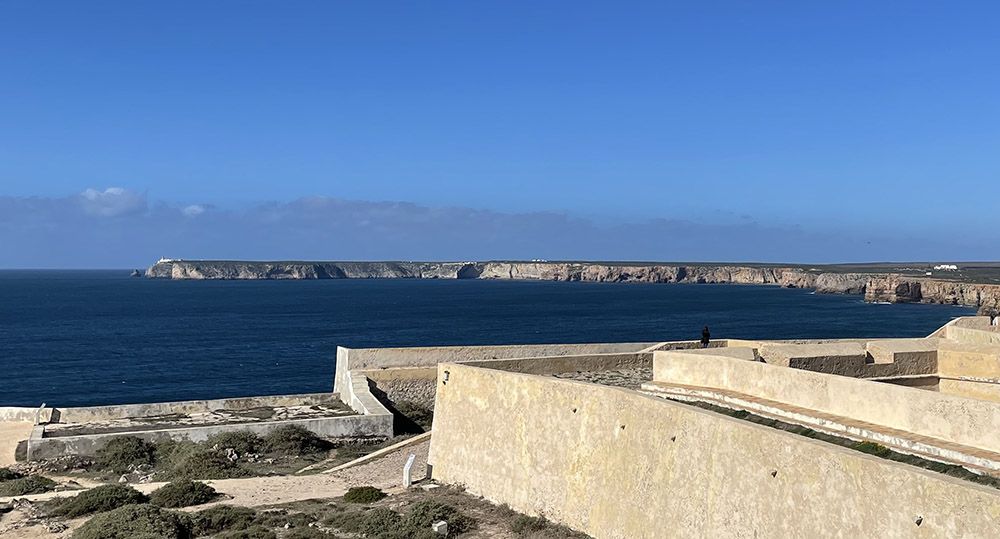
The western stretch leads through the Serra do Espinhaço de Cão to the windy Atlantic coast. Here, the vegetation changes dramatically to low, wind-resistant shrubs and aromatic herbs. The route ends at the Cabo São Vicente lighthouse, the southwesternmost point of continental Europe, where rugged cliffs meet the endless ocean.
Pleasant Walking Climate
The Algarve’s Mediterranean climate offers ideal walking conditions for about three-quarters of the year. Winters remain mild, with daytime temperatures between 15 and 20°C. This mild winter climate sets the Via Algarviana apart from other European long-distance paths, which often become impassable due to snow or extreme cold. Spring transforms the landscape into a carpet of wildflowers, from bright red poppies to stunning orchids.
The mountainous areas receive enough rainfall to support lush vegetation, while every village has water supplies to refresh walkers. Summers can get quite hot, with temperatures often exceeding 30°C (sometimes even around or above 40°C). For this reason, walking holidays in the summer season are generally not recommended.
The best walking seasons run from February to May and September through November. During these periods, the climate combines pleasant temperatures with reasonable daylight hours for comfortable stages.
Soaking Up Culture Along the Route
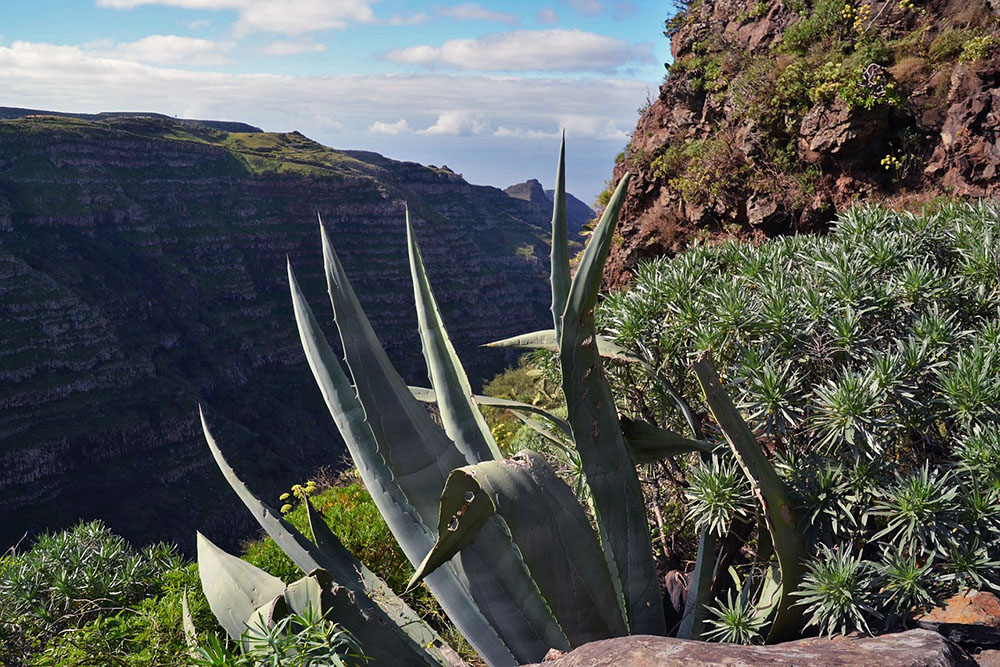
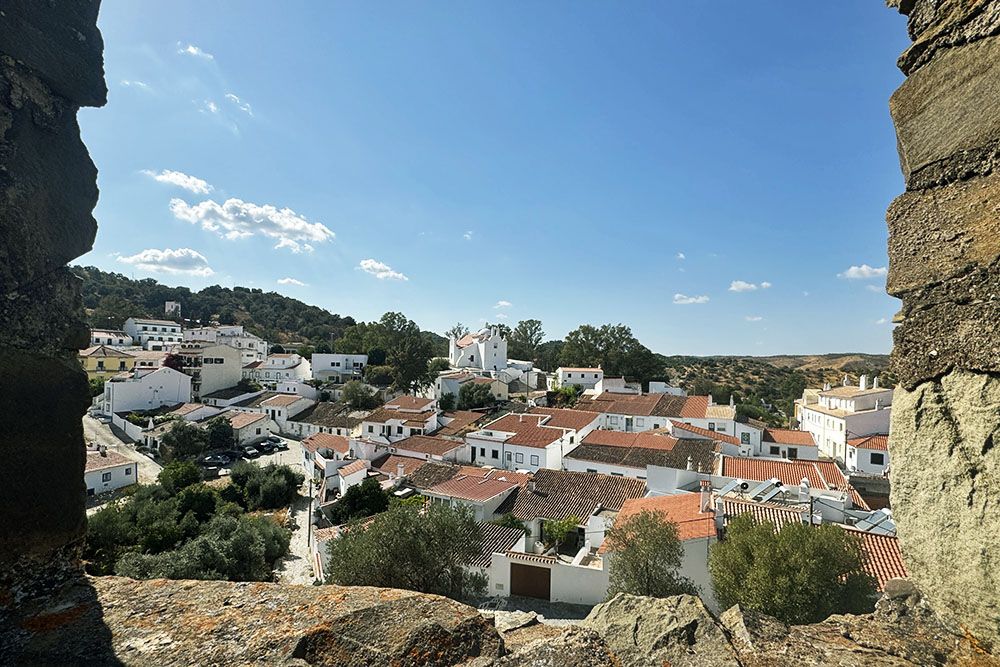
The Via Algarviana passes through dozens of small, traditional villages that have largely preserved their original character. Whitewashed houses with distinctive chimneys, centuries-old churches, and central squares tell stories of generations of village life.
In Alte, for example, women still produce woven baskets using centuries-old techniques. In Monchique, distillers still make the famous medronho brandy from the fruits of strawberry trees. Salir hosts a small museum showcasing local crafts, including handmade saddles and wickerwork.
Each community along the route has its own unique festivals, often tied to religious calendars or agricultural seasons. You get to experience these local traditions and customs firsthand, without tourist embellishment.
Culinary Discoveries on the Way
The inland Algarve’s cuisine surprises with simple yet flavourful dishes. Each region along the route has its own specialties that combine seasonal ingredients and traditional preparation methods.
In the east, dishes featuring wild boar, lamb, and yearling pork appear on menus. The central mountain area is known for chestnut soups, mushroom dishes, and hearty stews. Restaurants on the west coast specialise in fresh fish dishes with Atlantic influences.
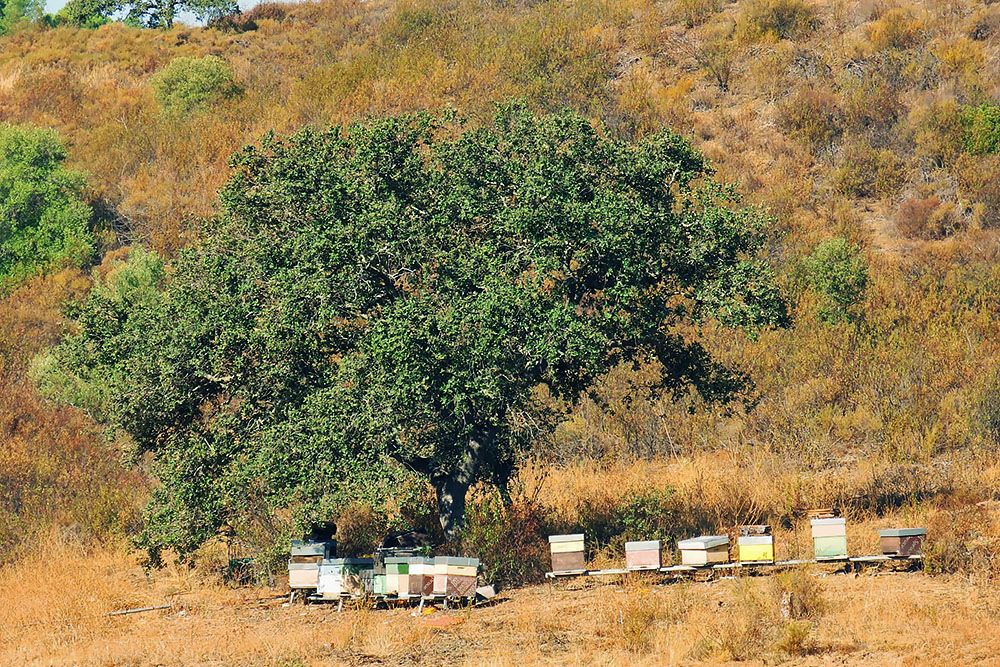
Local beekeepers produce delicious honey everywhere along the route, while olive oil producers continue family traditions in small presses. Regional sweets, often made from almonds, figs, and carob flour, provide a tasty energy boost.
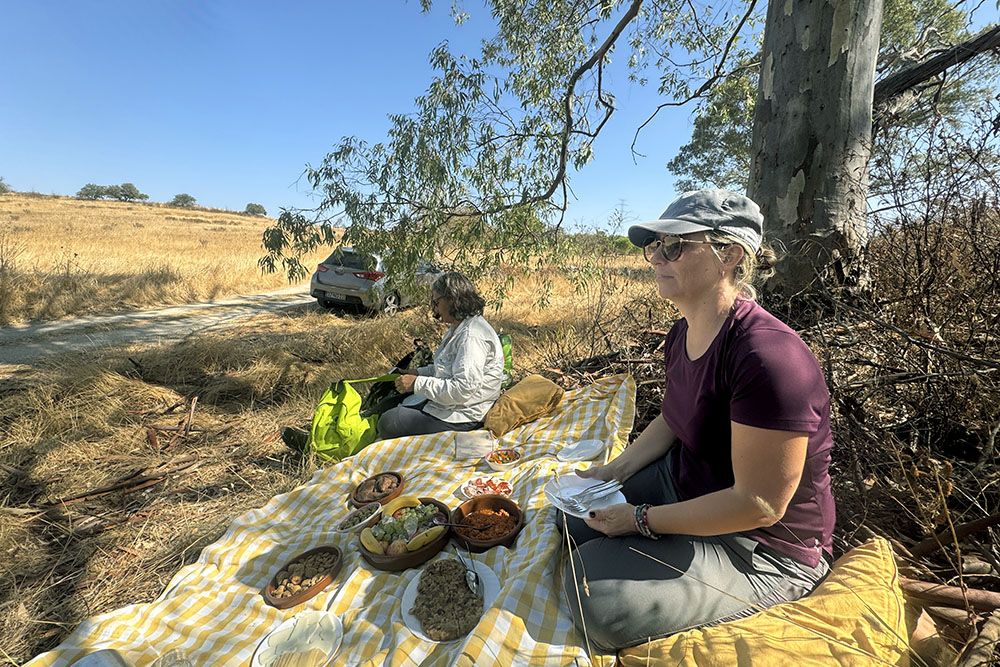
Small village shops offer handmade cheeses, artisanal sausages, and seasonal fruit for picnics on the trail. This gastronomic diversity also makes the walk a culinary discovery journey.
Protected Nature Reserves
The Via Algarviana crosses several protected nature reserves with remarkable biodiversity. The area hosts more than 1,000 plant species, several found only in this region.
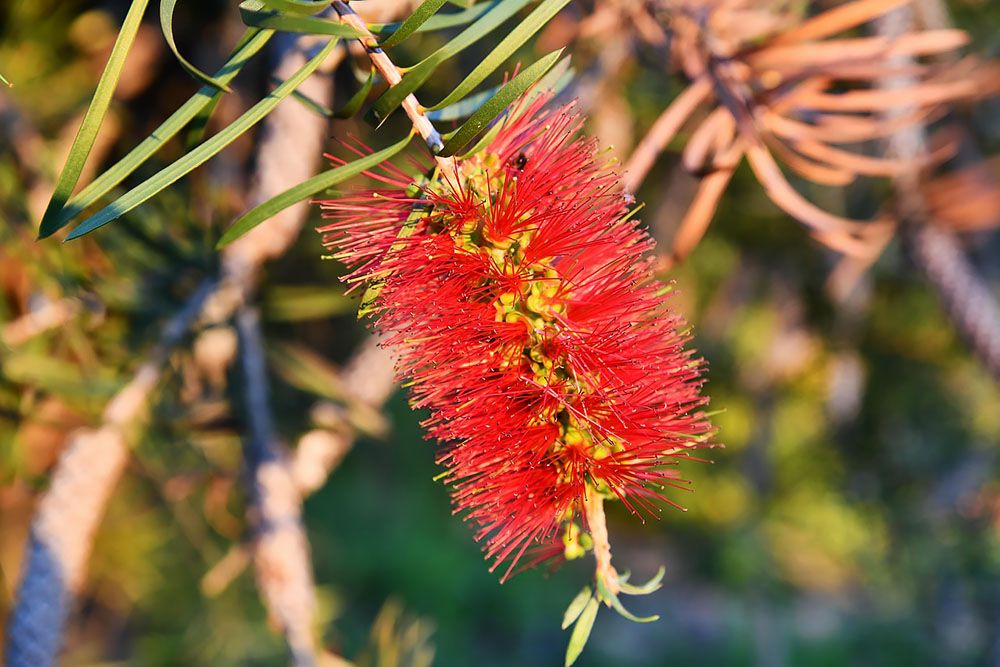
Rare orchid species bloom in spring along the route, while aromatic herbs like rosemary, thyme, and lavender scent the air year-round. Wildlife includes wild boars, genets, various reptiles, and a rich bird population.
During migration months, you can often spot eagles, vultures, and other birds of prey soaring above mountain ridges. The route passes through Natura 2000 areas where specific protection measures apply for habitats and species.
Almargem, the non-profit organisation behind the Via Algarviana, collaborates with local environmental groups on sustainable trail development. Along the path, signs provide information about nature and encourage visitors to protect it. During our walk with our guide, we noticed how clean the paths were. We found almost no litter. The one time we saw a plastic bag, our guide immediately picked it up and put it in her backpack. “We leave nothing behind but footprints,” she told us. “And we respect the animals by keeping our distance and not leaving food.”

Our Experiences with the Via Algarviana
During our visit to the Algarve, we explored only parts of the long-distance trail. We stayed exclusively in the east, near the Spanish border. Yet, we gained a good impression of what the Via Algarviana has to offer.
We especially appreciated the flexibility the route provides. Besides the main trail, you can take various shorter circular walks, themed walks, and even audio-guided walks. This is perfect for those who cannot or do not want to complete the entire route. You can still get to know a specific part of the Algarve well.
Our first walk was a section of the first stage of the main trail. The next day, we followed a circular walk to an old mine and reservoir. The first trek led us through beautiful natural scenery. The second walk had a specific theme and therefore felt different. We walked through similar nature but experienced it in a new way. Read here about our experiences with both walks.
The Combination of Active Nature and Authentic Culture
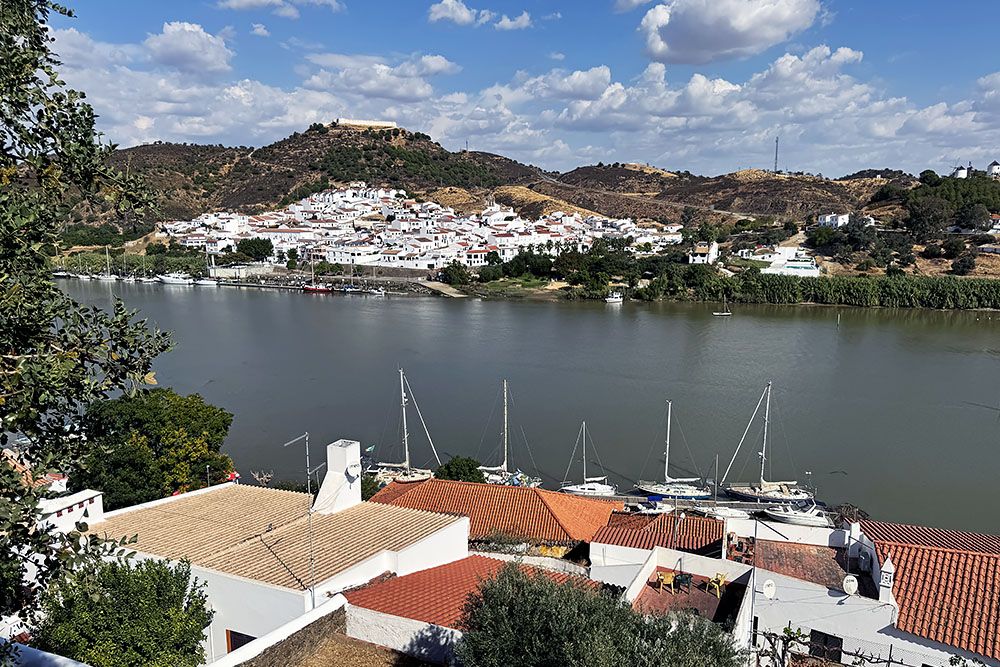
What made the Via Algarviana truly special for us was the mix of walking and culture. We greatly enjoyed the small, authentic villages along the way. The houses with whitewashed walls and terracotta roofs gave a lovely impression of the regional building style. We spoke with friendly locals who greeted us warmly—and who spoke surprisingly good English. Their lifestyle is calm and sincere, far from the mass tourism of the coast.
We particularly enjoyed our visit to Alcoutim. This border village on the Guadiana River offered more than we expected. We took an extensive, varied walk here. We wandered through narrow streets with traditional houses. The medieval castle gave us a beautiful view over the river and Spain. In the archaeological museum, we discovered the history of the area. We ended with a drink on a terrace where—apart from a few other tourists—mostly locals gathered.
Frequently Asked Practical Questions About the Via Algarviana
The Via Algarviana is a long-distance walking route (GR13) in the Algarve’s inland. The trail starts in the eastern border village of Alcoutim and ends at the cliffs of Cabo São Vicente on the Atlantic coast.
The route is approximately 300 kilometres long and consists of fourteen stages averaging 15 to 25 kilometres each.
The Via Algarviana takes you through an impressive variety of landscapes. You start along the peaceful Guadiana River, the natural border between Portugal and Spain. Then you walk through vast cork oak plantations, where the characteristically harvested trunks shape the landscape. Deeply carved valleys with crystal-clear streams create surprisingly green corridors in the hilly terrain.
Further west, you reach the Serra de Monchique mountains, with the Algarve’s highest peaks and panoramic views. Here, ancient chestnut trees and rare native plants grow. The landscape then changes to low, wind-resistant shrubs and aromatic herbs. The route ends at the Atlantic coast, where rugged cliffs meet the powerful ocean. This variety makes the walk diverse and fascinating.
The best seasons to walk the Via Algarviana are from February to May and from September to November. During these periods, the climate is mild and pleasant, ideal for long walks. Temperatures usually range between 15 and 25 degrees Celsius, comfortable for outdoor activities.
In spring, the landscape transforms with blooming wildflowers and fresh green colours, enhancing the walking experience. Autumn often offers stable weather and fewer crowds, allowing you to enjoy nature in peace.
Summer months are generally too hot, with temperatures often exceeding 30 degrees, making walking less enjoyable. Winters remain relatively mild but can be wetter. Therefore, spring and autumn are the most suitable and popular seasons for a walking holiday on the Via Algarviana.
The stages average 15 to 25 kilometres, which can be challenging for beginners. However, with good preparation, they are definitely achievable.
Yes, many shorter circular walks are available alongside the main Via Algarviana route. These paths vary in length and difficulty. The official Via Algarviana website provides extensive information about these short-distance trails, often themed. Some routes focus on specific natural areas, historical sites, or cultural attractions.
In addition, there are audio-guided walks available, where you can listen to informative clips about the surroundings, history, and local flora and fauna via an app or download. These themed and audio-guided routes add an extra dimension to the experience, allowing you to explore the region in a deeper and more interactive way. As a result, these shorter walks are perfect for those who don’t want to undertake the entire long-distance trail but still wish to gain a good impression of the area.
Along the Via Algarviana, you’ll find dozens of small, authentic villages and towns, each with its own charm. Alcoutim, at the eastern border, is a quiet riverside village with a medieval castle and a relaxed atmosphere. Alte is known for its traditional architecture and clear springs, a peaceful inland oasis.
Monchique lies in the mountains and offers stunning views, rich history, and a medieval character. Salir is a small village with a charming centre and a museum showcasing local crafts. Other villages like Querença also offer an authentic experience with their rural atmosphere and friendly residents.
Each of these places contributes to the unique mix of culture and nature that makes the Via Algarviana so special.
The Via Algarviana stands out due to its great variety of landscapes and natural habitats. The mild climate allows walking in months when other routes are too cold. The route passes through authentic villages that have preserved their traditional character. You experience a peaceful atmosphere, far from busy tourist areas. The combination of nature, culture, and tranquility is rare in Portugal. The excellent waymarking also makes the route accessible to many walkers. This offers a unique and versatile walking experience.
The route is clearly marked with red and white GR signs, making navigation straightforward. It’s wise to download the free GPX files and/or the route’s app for extra security.
You’ll find picturesque villages and towns with centuries-old churches, traditional crafts, museums, and medieval forts and castles. Along the route, numerous festivals take place throughout the year. The walking year starts in Alcoutim with the Walking Festival in early spring, an event that brings together walkers from the region and beyond.
In summer, colourful village festivals often with religious origins take place, such as the feast of Saint James in Salir and the medieval festival in Silves. In autumn, you can join harvest festivals and markets focusing on local products and crafts. These festivals offer a great opportunity to experience the region’s culture and traditions up close, making the walking experience along the Via Algarviana even more special.
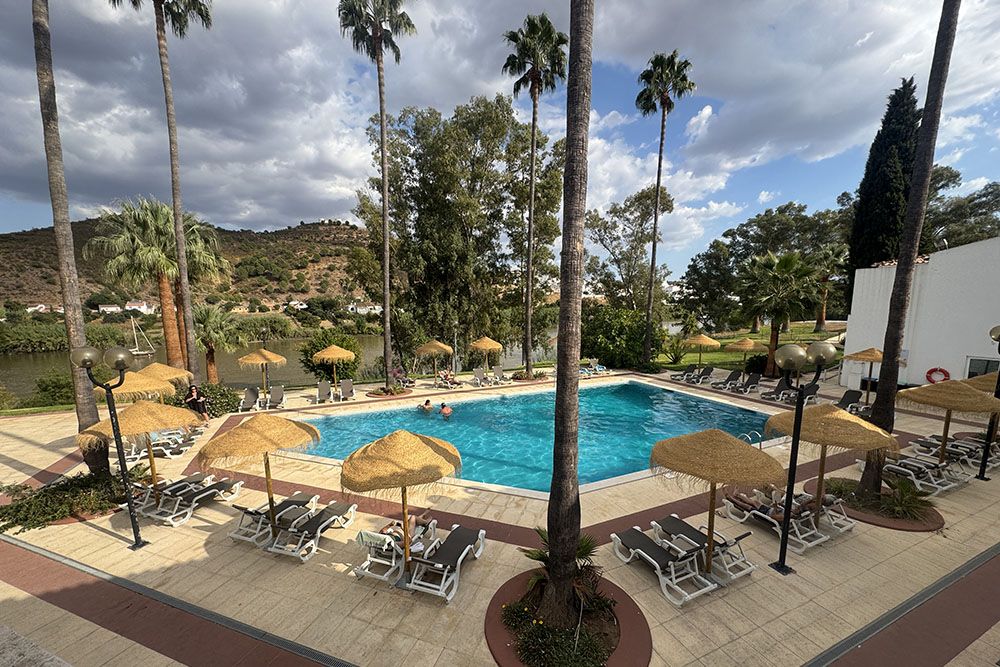
Along the Via Algarviana, you’ll find a wide range of accommodations to suit different preferences and budgets. In the villages and towns along the route, there are simple inns and guesthouses offering affordable and cosy overnight stays.
There are also comfortable rural accommodations, such as charming quintas and small guesthouses, often located in peaceful natural surroundings. Some of these places offer meals, allowing you to taste the regional cuisine. For those seeking more comfort, there are also a few small hotels and holiday homes available. This variety lets you tailor your walking holiday to your own preferences, whether you want a basic place to sleep or somewhere with extra facilities and atmosphere.
The Via Algarviana is a paradise for nature lovers, offering a rich variety of flora and fauna. On the walk, you’ll encounter vast cork oak plantations, characteristic of the area. Ancient chestnut trees and rare orchids bloom in spring. Aromatic herbs like rosemary, thyme, and lavender fill the air with their scent.
In terms of wildlife, you might see wild boars, genet cats, and various reptiles. Birdwatchers will find the route especially rewarding, with many birds of prey such as eagles and vultures, especially during migration periods. The route passes through protected nature reserves where biodiversity is well preserved, increasing the chances of spotting special plants and animals. This makes the Via Algarviana an excellent destination for birdwatchers and anyone who loves nature and peace.
Along the Via Algarviana, you’ll find various places to eat and drink where you can enjoy the rich regional cuisine. In the villages and towns, restaurants and taverns serve traditional dishes such as wild boar, chestnut soup, and hearty stews, often prepared with local ingredients. Fresh fish dishes are especially popular in the western parts of the Algarve, where Atlantic influences are clear.
You can also taste regional wines that pair well with the local dishes. Besides restaurants, there are small shops and markets selling artisanal cheeses, honey, and sweets like almond pastries and figs. These products are often homemade and reflect the traditions of the area. For walkers, these eateries and local products offer not only a tasty break but also a great chance to experience Algarve culture authentically.
Besides walking, the Via Algarviana offers many other activities to enrich your experience. You can immerse yourself in culture in the many small villages and towns along the route, visiting centuries-old churches, traditional crafts, and museums. Various festivals take place throughout the year, such as the Walking Festival in Alcoutim in early spring, medieval festivals in Monchique, and harvest festivals in autumn. These events provide a unique insight into local traditions and customs.
Gastronomy along the route is an experience in itself; you can enjoy regional specialties in taverns and restaurants and buy local products at markets. Nature lovers can also enjoy birdwatching, with a large variety of birds of prey and other special animals. There are opportunities for relaxing picnics by reservoirs or in shady natural areas, and you can enjoy the peaceful rural life far from the busy coast. The Via Algarviana thus offers a diverse experience for everyone wanting more than just walking.
You can find more practical information about the Via Algarviana on the official website, which provides extensive details in Dutch about the stages, maps, and practical tips. For up-to-date information and route updates, you can also download apps and GPS files made specifically for the Via Algarviana.