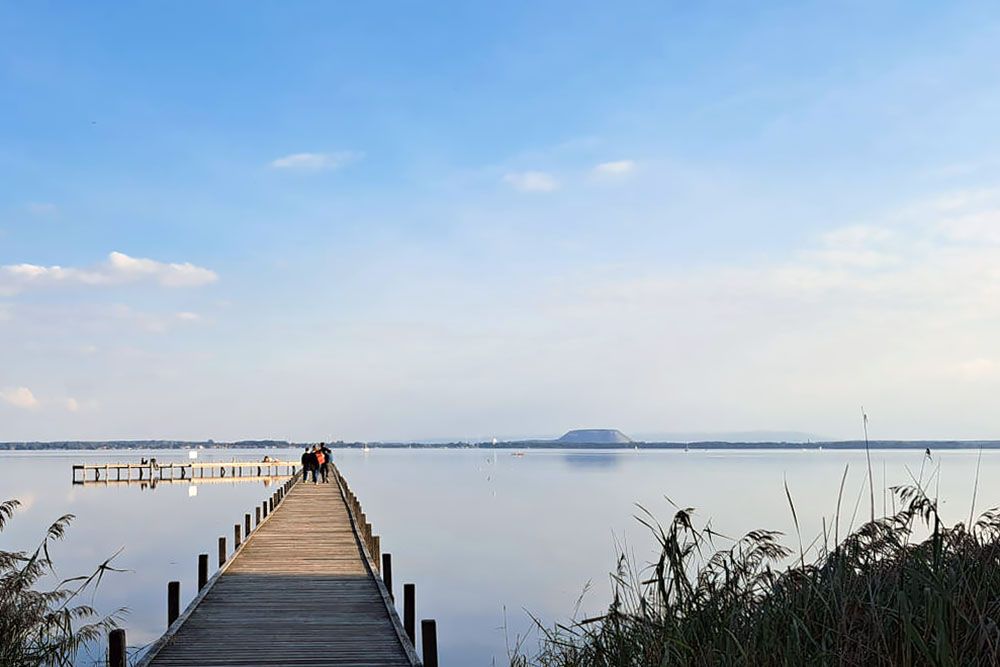
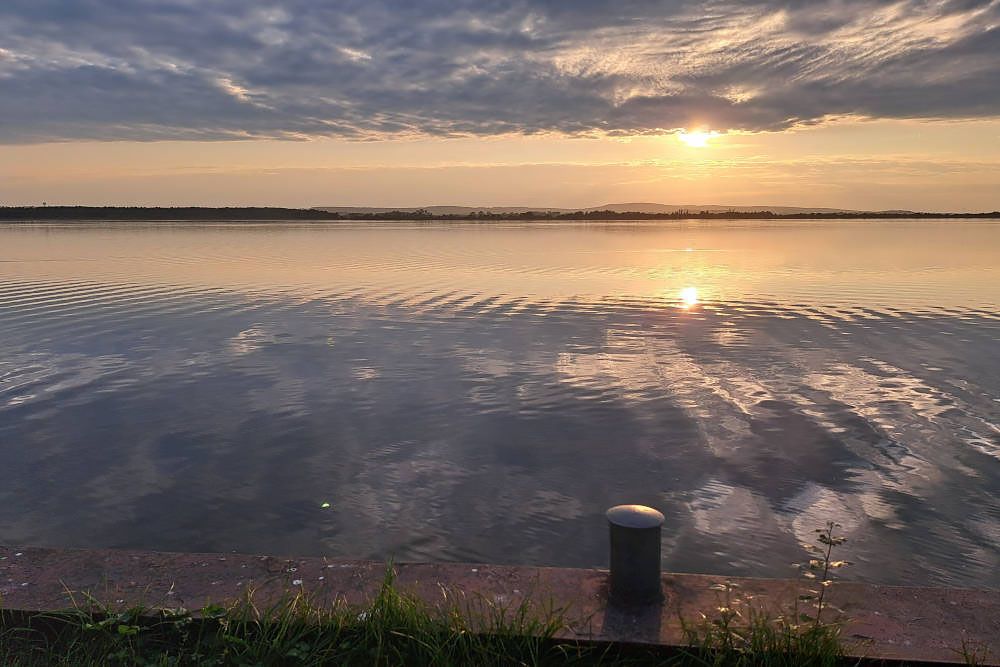
We gaze out over the shimmering water as a gentle breeze brushes through our hair. The Steinhuder Meer instantly feels like a holiday, even though we’ve just arrived. Nestled in the Lower Saxony region, Germany, this vast lake effortlessly blends nature and relaxation. It’s the perfect destination for a long weekend or an active midweek break. Leaving the busy motorway behind, we breathe in the fresh air. Here, it’s all about being outdoors and soaking up the surroundings.
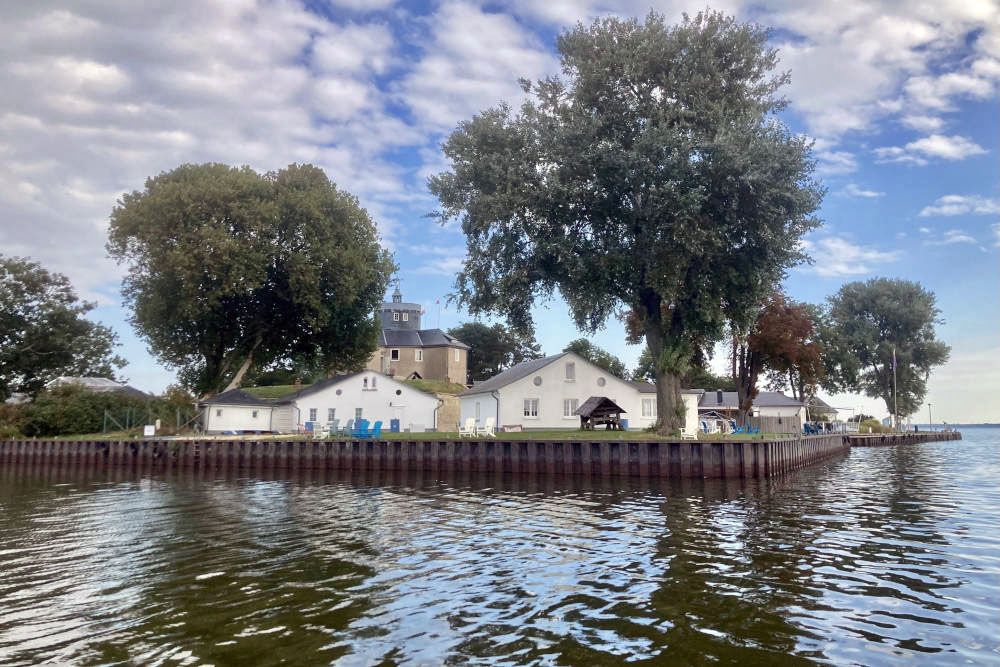
The Steinhuder Meer sparkles amidst the greenery
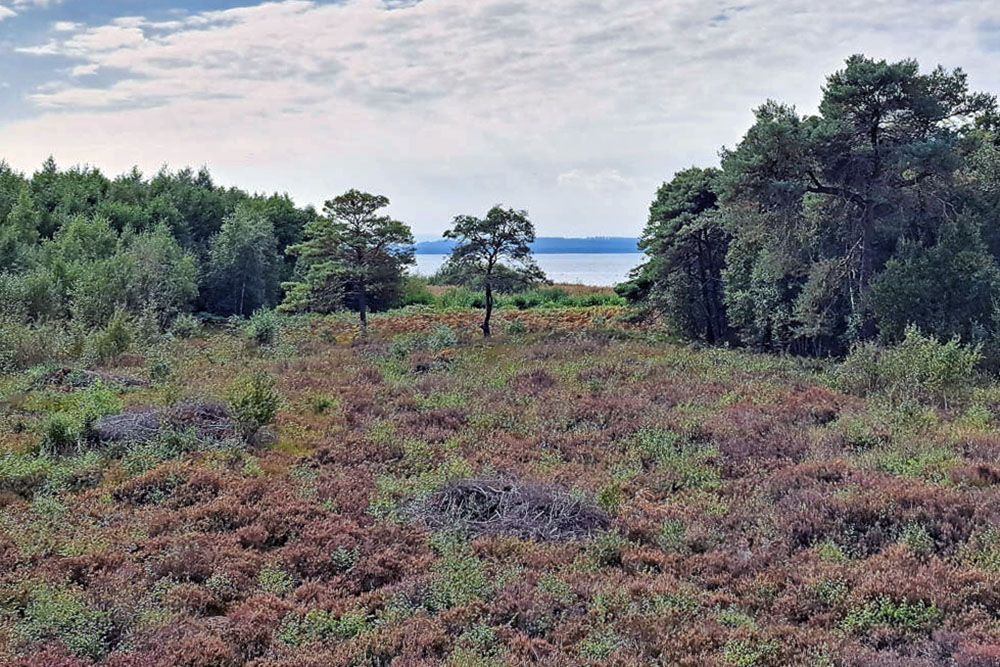
Steinhuder Meer is the largest inland lake in northwest Germany and a favourite spot for nature lovers. Remarkably, the lake is very shallow in most places, with the bottom lying just about one and a half metres beneath the surface.
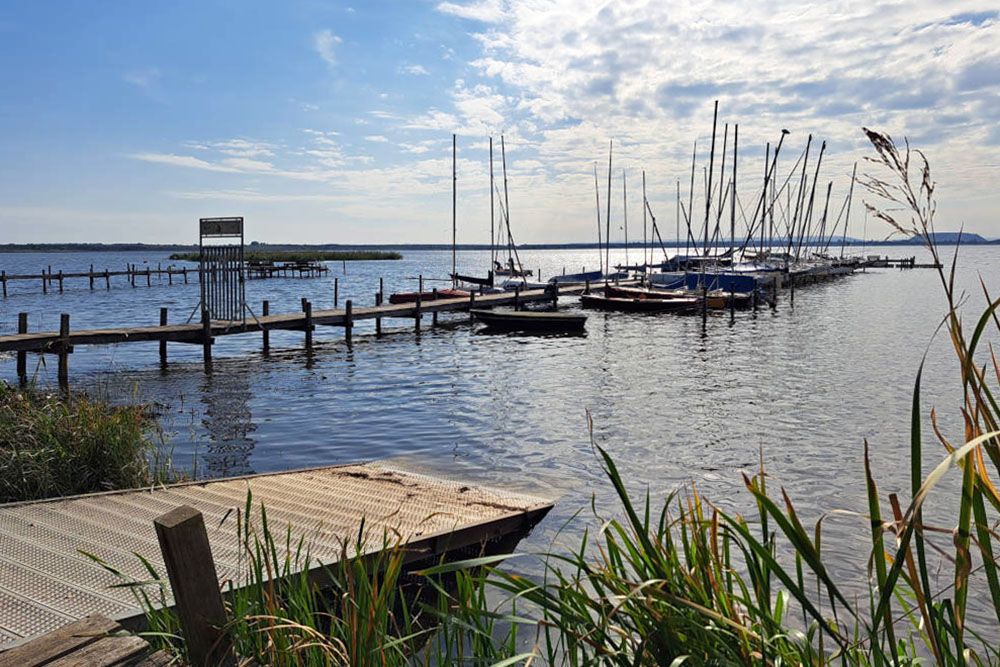
Formed thousands of years ago during the last Ice Age, the lake now sits at the heart of a vast nature park filled with reed beds and marshes. White sails dot the horizon as sailboats glide across the water. The area attracts both those seeking peace and quiet and active holidaymakers from far and wide.
Things to do on and around Steinhuder Meer
There’s plenty to explore here. Our first choice is to discover the area by bike.
Cycling around the lake
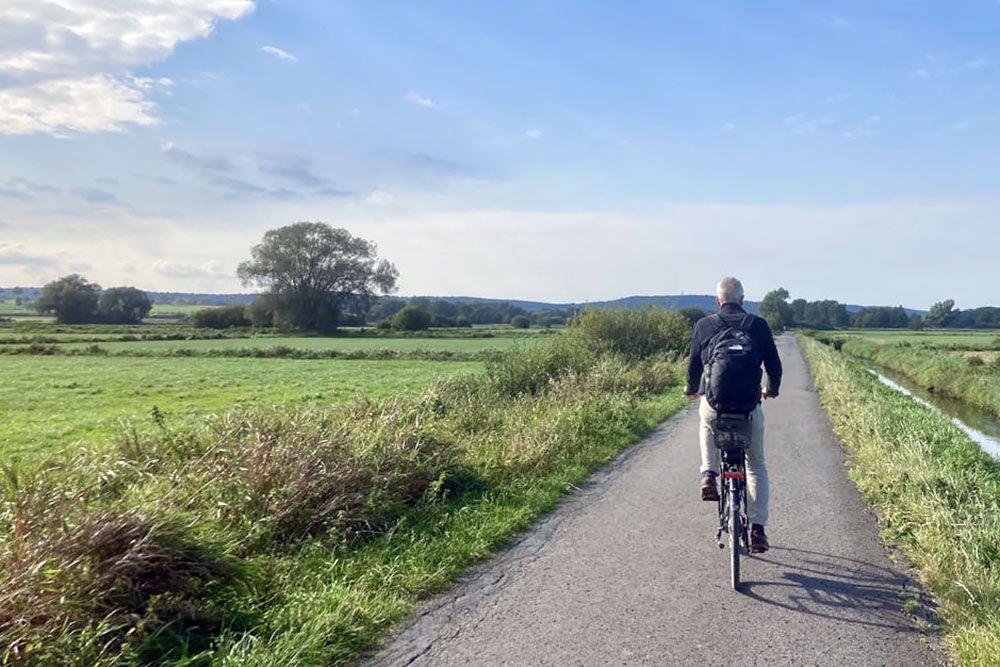
We hop on our bikes for a ride around the lake. The cycling path encircling the water stretches about 35 kilometres and is mostly flat. This makes it an ideal route for a leisurely day trip without too much effort. The best part is we don’t have to worry about navigation — clear signposts guide us easily past Steinhuder Meer’s highlights.
The route takes us past dense marshes and swaying reed beds lining the shore. The western bank impresses us most with its profound silence. This is a beautiful natural area where nature truly runs its own course. We hear only the rustling reeds and birdsong overhead.
Observation towers
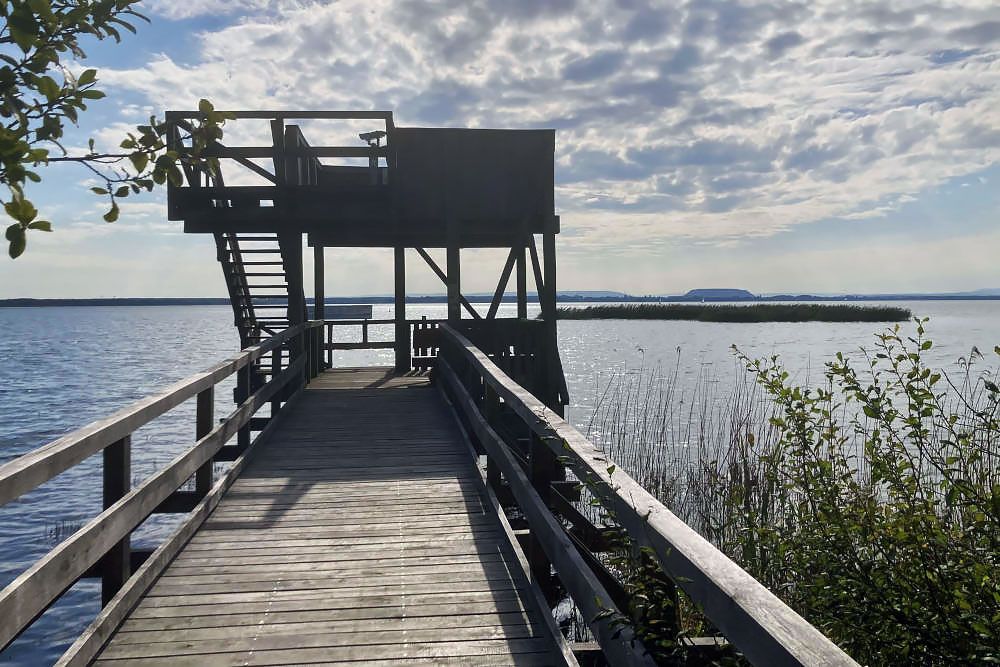
We frequently pause to climb the wooden observation towers along the path. From these vantage points, we enjoy sweeping views over the sparkling water. We spot rare water birds nesting in the sheltered reed beds. The well-maintained trail winds alternately through forests and open fields. We meet fellow cyclists who greet us warmly as they pass by. The wind at our backs makes pedalling on the open stretches even more pleasant.
We take our time to fully absorb the surroundings. Every bend in the path reveals a new and surprising panorama. We delight in the contrast between cultivated villages and wild nature reserves. A rest on a bench by the water feels like pure bliss. The sun sparkles on the lake, creating a dazzling display of light. The 35 kilometres fly by because there’s so much to see. Cycling is undoubtedly the best way to explore the lake, and we recommend everyone take their time to enjoy it.
Walking the springy trail of the Totes Moor
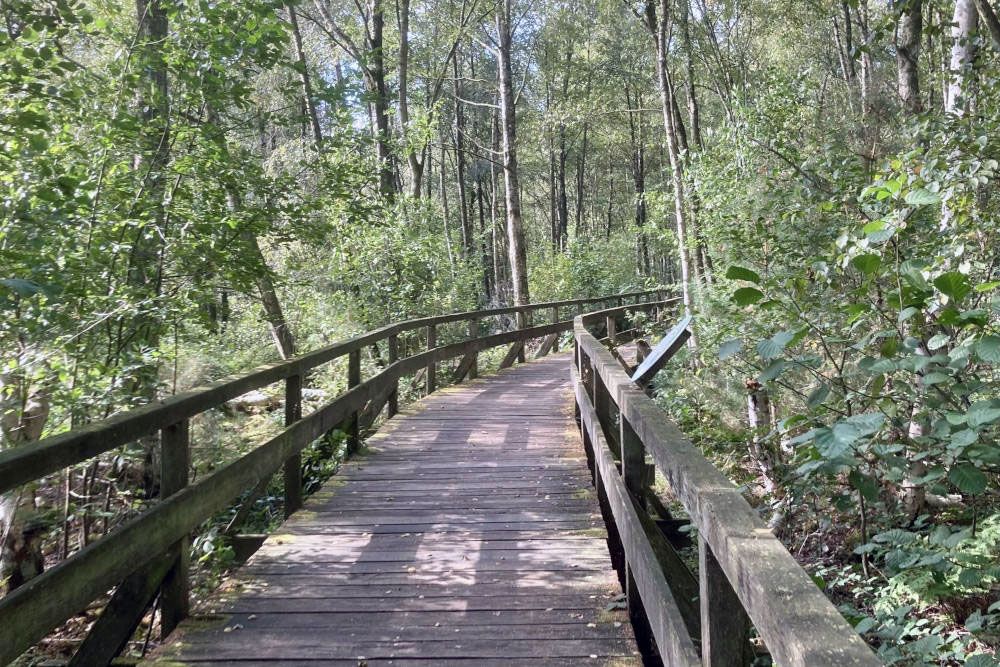
Close to the lake’s edge, we visit the unique Totes Moor. This raised bog reserve is a remnant of an ancient landscape that once stretched much further. We walk a short section of the adventurous ‘Erlebnispfad’ trail that runs through the area. Although the full route is about seven kilometres, we opt for a brief glimpse. After just a few hundred metres, we notice how peat extraction has shaped the landscape. The ground feels soft and almost springy beneath our sturdy walking boots.
We spot rare plants like sundew and cotton grass that survive only in this environment. Informative panels teach us about the importance of this fragile ecosystem for our own habitat. Peat acts as a vital carbon store in the soil. We walk on wooden boardwalks to protect the delicate vegetation.
Exploring the villages of Steinhude and Mardorf
Of course, we also visit the two main villages around the lake. Steinhude is a lively fishing village with a maritime atmosphere that immediately appeals to us. The promenade along the water invites a leisurely stroll past numerous boats. We admire historic half-timbered houses that tell the rich story of this former fishing community. Cosy terraces abound where people enjoy the views and the weather.
On the lake’s northern shore lies Mardorf, which has a very different character. This village is smaller and known for its quiet campsites and sailing schools. We wander through pine forests that seem to grow right up to the water’s edge.
Both places exude the relaxed vibe typical of this region. We browse small boutiques and poke around local souvenir shops in the streets. It’s fascinating to experience the contrasts between the two villages themselves. Steinhude buzzes with activity and social life along the boulevard, while Mardorf offers more shaded spots and direct access to sandy beaches. We thoroughly enjoy exploring these distinctive locations.
Tasting tradition at the local eel smokehouse
Anyone visiting Steinhuder Meer can’t miss the tradition of eel fishing. But what exactly is eel, and is it the same as the European eel we know? In fact, it’s the exact same species, just called differently here. Eel fishing has been inseparably linked to this large lake for centuries. We hear stories of families who have earned their living from fishing here for generations.
Naturally, we visit Eel Smokehouse Schweers, located in the heart of Steinhude. This family business dates back to the 19th century. The smell of freshly smoked fish greets us as soon as we enter the smokehouse. We receive a brief explanation of the artisanal smoking process over specially selected beechwood.
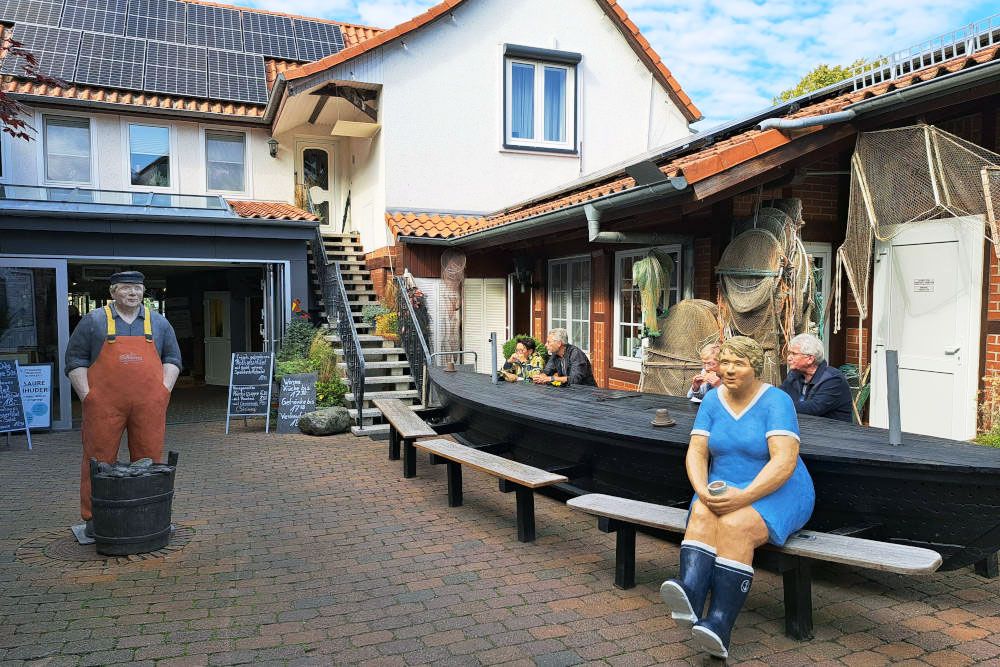
We settle on the sun-drenched terrace of the smokehouse, with a direct view of the lake. It’s bustling and the atmosphere is extremely friendly. We must admit, however, that we aren’t fans of smoked eel ourselves. Luckily, Schweers’ menu offers many other delicious regional fish dishes. We order a different fresh fish platter that tastes excellent. As we eat, we watch other guests enjoying their eel with visible pleasure. It’s a wonderful sight to see this tradition still thriving here.
Sailing on the shallow blue waters
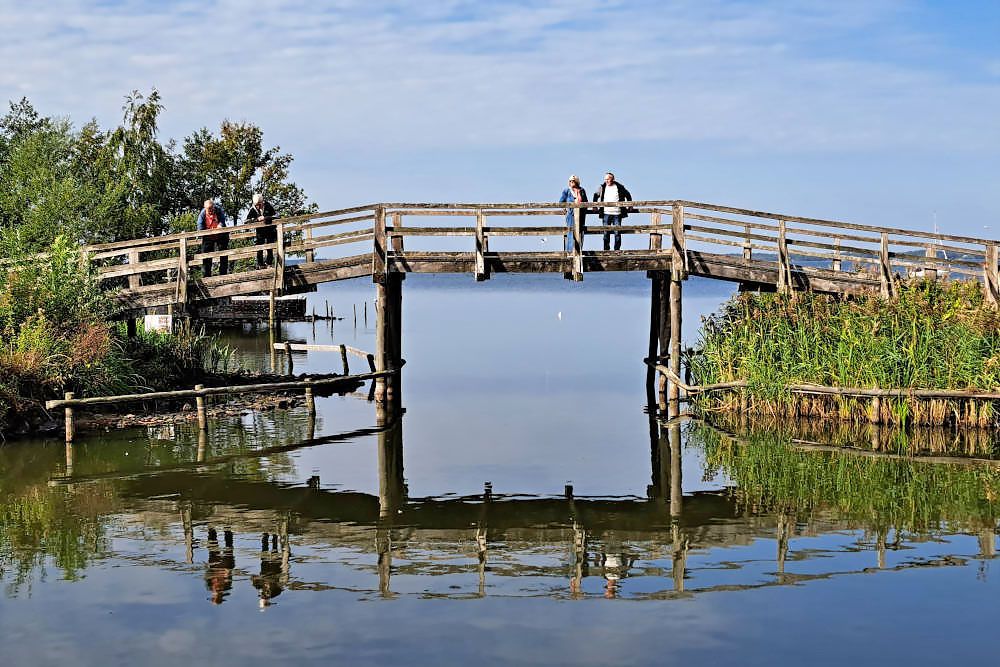
A boat trip is practically a must during a stay here. Because the lake is so shallow, strict rules govern boating. Motorboats are not allowed to preserve the peace and protect nature. This keeps the water a haven of calm and fresh air. We see many sailboats taking advantage of the favourable winds over the open expanse.
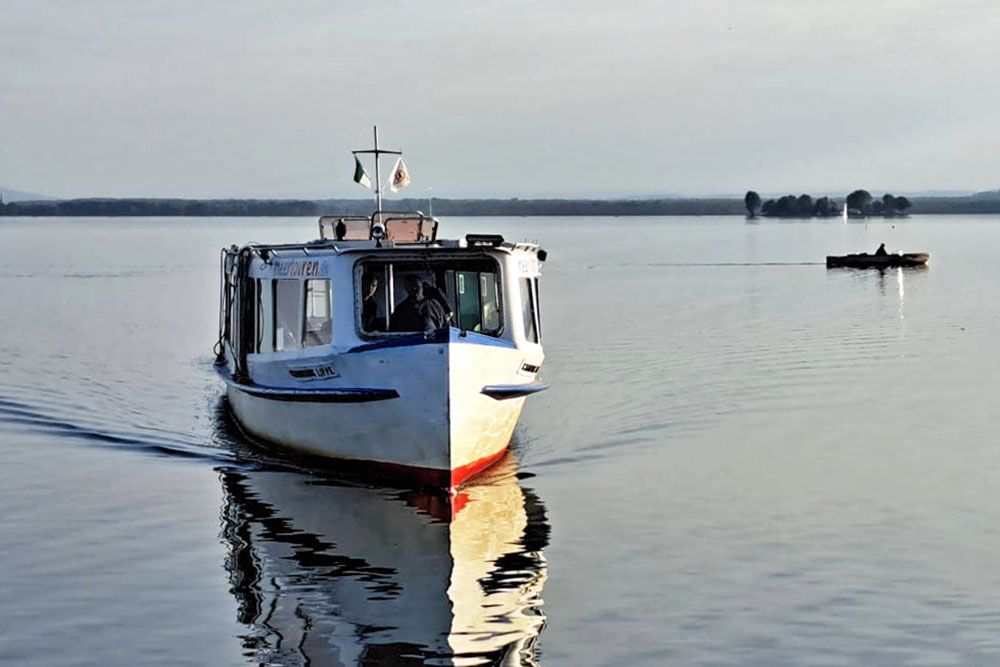
For those who prefer not to steer themselves, several tour boats offer cruises on the lake. You can board in the harbours of Steinhude or Mardorf for a relaxing trip. Boats also regularly depart from Wilhelmstein island to various shores.
Besides sailing, many people choose more active watersports. Paddleboarding and canoeing are popular due to the calm, shallow water. We also spot surfers gliding swiftly across the lake. On warm days, the water invites a refreshing swim at the beaches.
Wilhelmstein fortress island
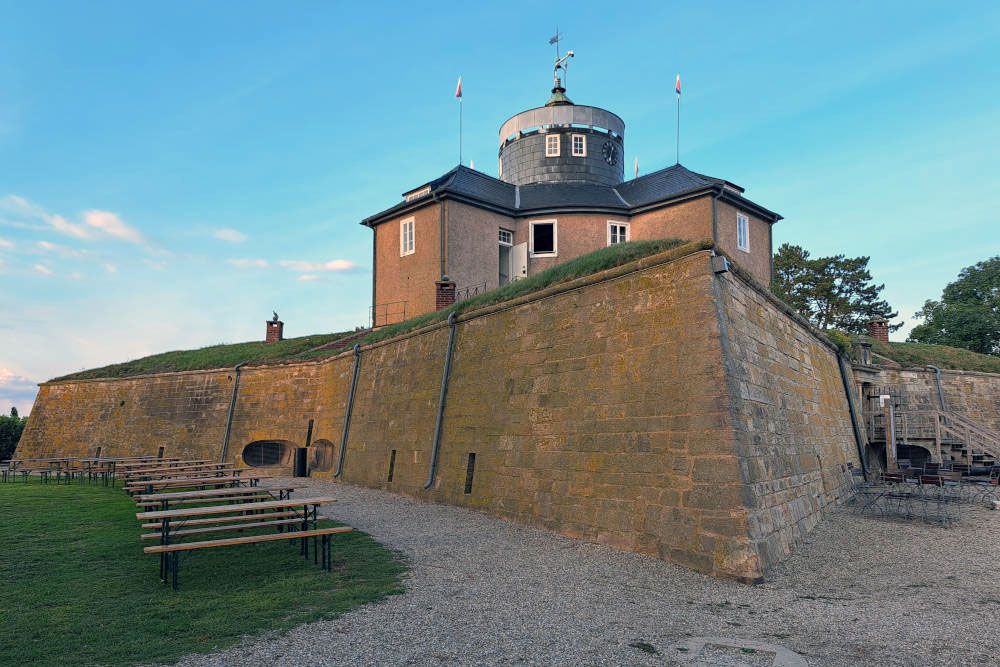
The absolute highlight of our trip is without doubt Wilhelmstein island. This small island lies in the middle of the lake and was entirely man-made. Count Wilhelm of Schaumburg-Lippe had it built in the 18th century as a defensive fortress.
We reach this historic island by ferry from Mardorf. The stone walls of the fortress gradually emerge from the water. The history of the place is immediately palpable as we step ashore. We wander through the old buildings and learn about the purpose of this naval base. But the real highlight comes after nightfall.
Overnight stay on Wilhelmstein
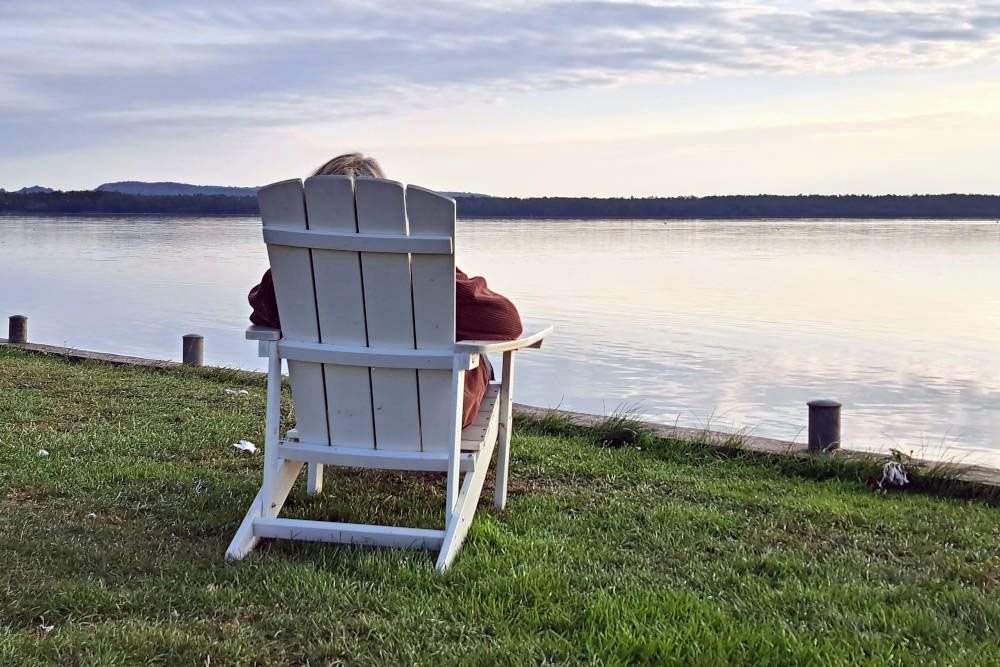
We spend the night on the island in a truly romantic way. Only a handful of unique guest rooms are available for visitors. Once the last ferry with day-trippers has left, complete silence returns. We almost have the island to ourselves, which is a very special experience. With a glass of wine in hand, we relax in deck chairs watching the sunset. The sky slowly turns orange and purple over the mirror-like lake water. In the distance, canoeists paddle gently past the island. We imagine what it must have been like to be a soldier stationed here.
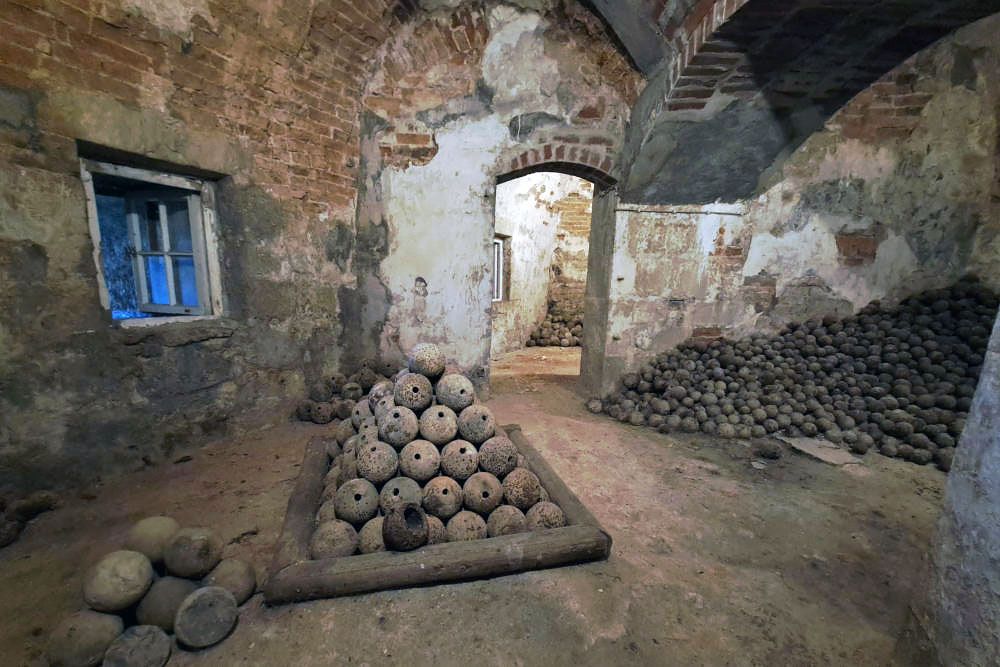
We dine in the atmospheric surroundings of the old fortress as twilight falls. The next morning, we wake to the sound of birdsong alone. The gentle lapping of water against the quay is the only other noise. This is a perfect spot for anyone celebrating something special or simply seeking peace.
On the evening we stay, there happens to be a murder mystery dinner. Actors use all the historic buildings on the island as the stage for a thrilling whodunit. The island provides the perfect backdrop for this interactive and sometimes eerie performance. We often hear loud screams echoing across the grounds during our meal. We jokingly wonder if someone else has fallen victim to the murderer. It adds an extra exciting dimension to our stay on this unique island.
More to discover in the surrounding area
There are even more interesting sights around Steinhuder Meer beyond our own route, all worth a visit.
- Stop by Schloss Hagenburg and stroll through its adjoining park.
- On the lake’s west side lies the extensive bird reserve at Meerbruchwiesen.
- Visit the Ecological Protection Station (ÖSSM) in Winzlar for more on local flora and fauna.
- The Loccum Abbey is a Cistercian monastery founded in 1163 and one of Germany’s most important Protestant monasteries.
- For the active, the Pilgrim’s Way starts at Loccum, leading towards Volkenroda.
Frequently asked questions about Steinhuder Meer
You’ll find this lake in the state of Lower Saxony in northwest Germany, about 30 kilometres west of Hannover. It forms the natural heart of a large nature park with the same name.
The 35-kilometre cycling route around the lake is highly recommended for an active day. Watersports enthusiasts can enjoy excellent sailing, paddleboarding, or canoeing. A visit to the historic fortress on Wilhelmstein island is a must. Staying overnight on the island completes the experience.
Both Steinhude and Mardorf have several rental shops offering regular bikes and e-bikes. The biggest selection is near large car parks and tourist information points. During busy summer months, it’s wise to book a bike in advance. We rented ours at Fahrradverleih Steinhuder Meer, located at Dreieckstrasse 1 in Mardorf. They offer good bikes and excellent service.
You can reach the island from Steinhude or Mardorf. Regular boats depart for Wilhelmstein, with the crossing taking about 20 to 30 minutes. Note that the last boat leaves Wilhelmstein at 6 pm; after that, you cannot leave the island.
Yes, there are a few comfortable guest rooms on Wilhelmstein. Staying overnight is a romantic experience. After the last day visitors leave, you almost have the island to yourself. There is a restaurant in the main building.
If you prefer to stay on the mainland, accommodations are available in Steinhude and Mardorf.
Both Steinhude and Mardorf have large paid parking lots clearly signposted. You can park a little further from the centre to avoid the busiest spots. From most parking areas, it’s about a ten-minute walk to the lively boulevard.
Yes, there are designated spots for safe swimming. The ‘Badeinsel’ in Steinhude is an artificial beach with lovely lawns and playgrounds. The northern shore near Mardorf also has several sandy beaches with shallow water ideal for children.
The period from May to September is the best time to visit. The weather is usually good enough for cycling and water activities. In spring and autumn, you can especially enjoy the peace and the many migratory birds in the area.
We visited Steinhuder Meer at the invitation of the Lower Saxony Tourism Board, the German Half-timbered House Road, and Steinhuder Meer. This blog was written independently and objectively based on our own impressions.