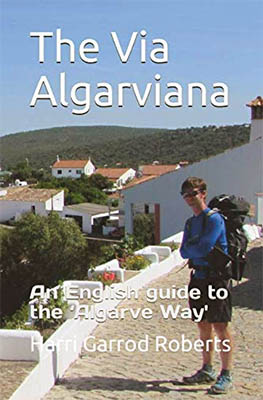
Our autumn journey to the eastern Algarve starts with the well‑known Via Algarviana walking route. What begins as a hiking adventure soon turns into an unexpected cultural discovery. In Castro Marim we are surprised by the fascinating salt pans, an age‑old tradition still honoured today. Our trip ends perfectly in nearby Vila Real de Santo António, a small town with a rich history and striking architecture. These two places in the eastern Algarve complement our introduction to the Via Algarviana beautifully.
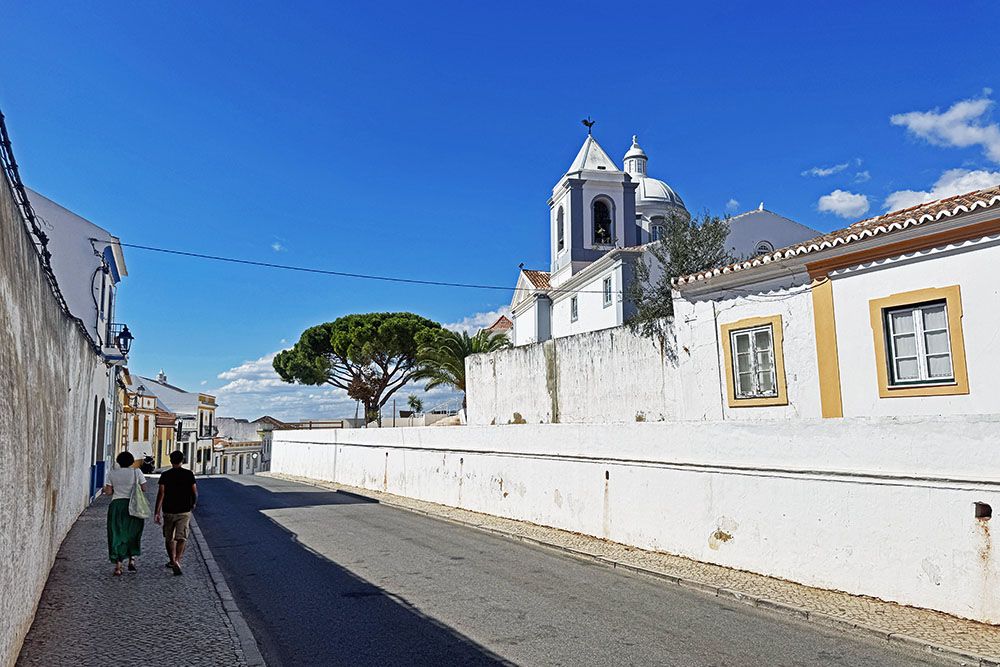
The Salt Pans of Castro Marim
Immediately after our circular walk along the PR9 CTM section of the Via Algarviana, our guide Joana from Loulé Rural takes us to Castro Marim. The walk is not long, but it certainly stirs our appetite. We park the car and head straight for a restaurant without first exploring the village.
To our surprise the village is quiet, yet the restaurant — A Tasca Medieval — is absolutely packed. It feels as though the entire village is having lunch here. Fortunately, Joana manages to find us a table. During our tasty lunch we mainly hear Spanish around us. Joana explains that Castro Marim receives many daily visitors from neighbouring Spain. They come here for lunch and then return home.
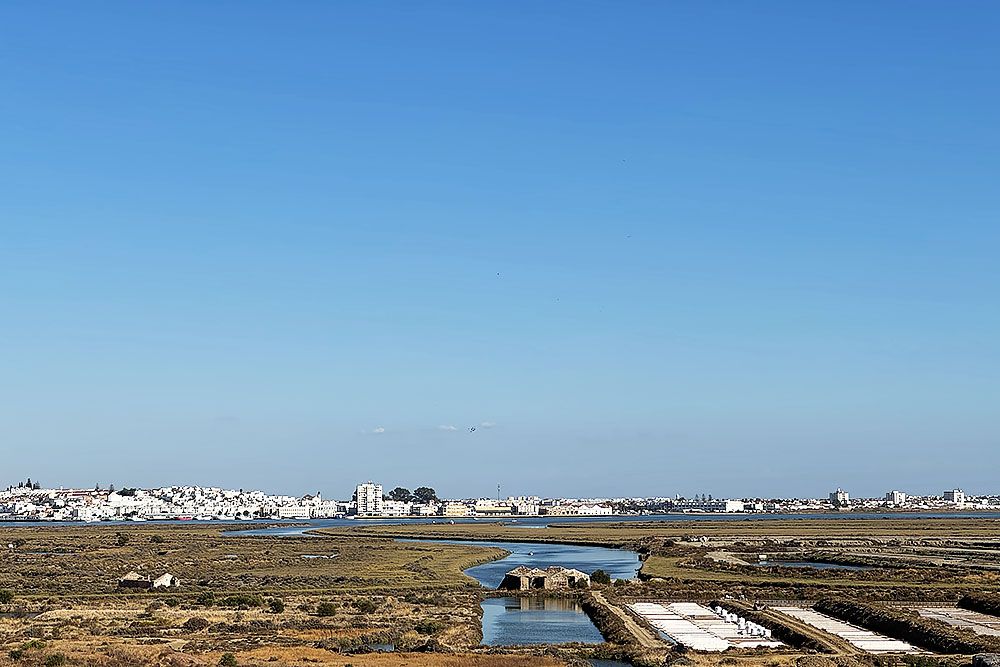
On to the Salt Pans
After a lovely lunch we walk back to the car park for our appointment with Jorge Raiado. We enjoy the warm late‑autumn sun while we wait. A car pulls up and a broadly grinning man steps out: Jorge has arrived.
With boundless energy he immediately begins telling us about Castro Marim and its famous salt pans. We start our walk at the Revelim de Santo António, a fort from the mid‑17th century. Jorge explains that this defensive structure faces directly towards Spain and overlooks the wetlands. It serves as a lookout to monitor the river and send warnings.
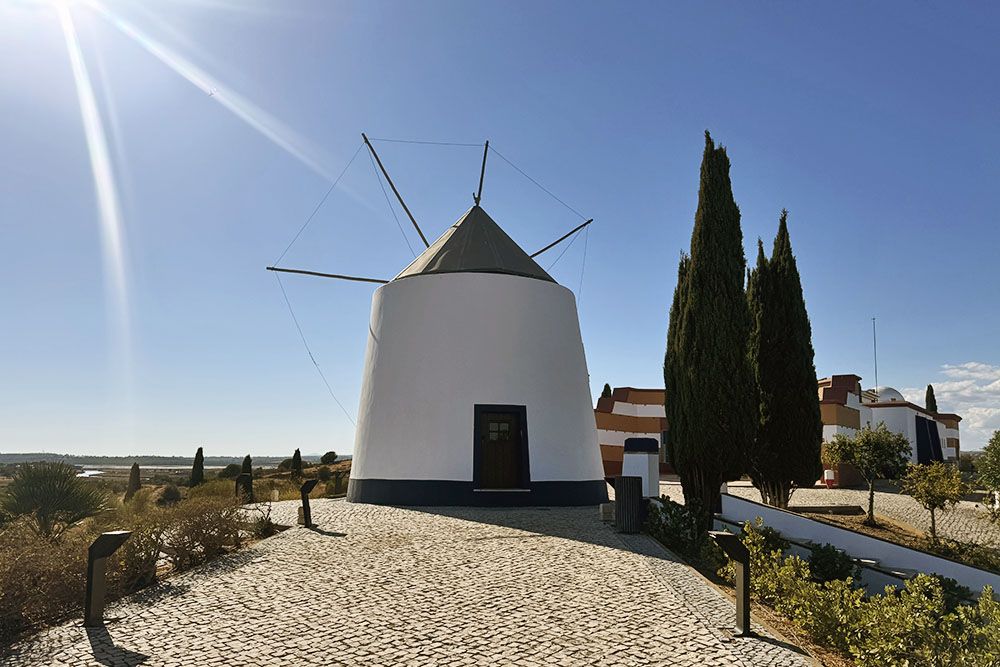
As we walk towards the salt pans, Jorge gives us a rapid history lesson. Salt production in Castro Marim goes back to the Phoenicians, long before the Romans arrive. “These salt pans are among the oldest in Portugal,” Jorge says proudly. “They have been used for more than 2,000 years.” The Phoenicians need the salt mainly to preserve fish. When the Romans conquer the area, they build on this knowledge. They greatly increase production and use the salt for their famous garum, a fermented fish sauce.
“Did you know the word ‘salary’ comes from salt?” Jorge asks. “Roman soldiers are partly paid in salt — that’s how valuable it is.” Through the centuries, salt remains an important trade product and source of income for Castro Marim. In the 16th century, during Portugal’s maritime expansion, salt becomes even more valuable for preserving cod and other fish. The unique location between the River Guadiana and the Atlantic Ocean provides ideal water for salt production.
A Cemetery with a Story
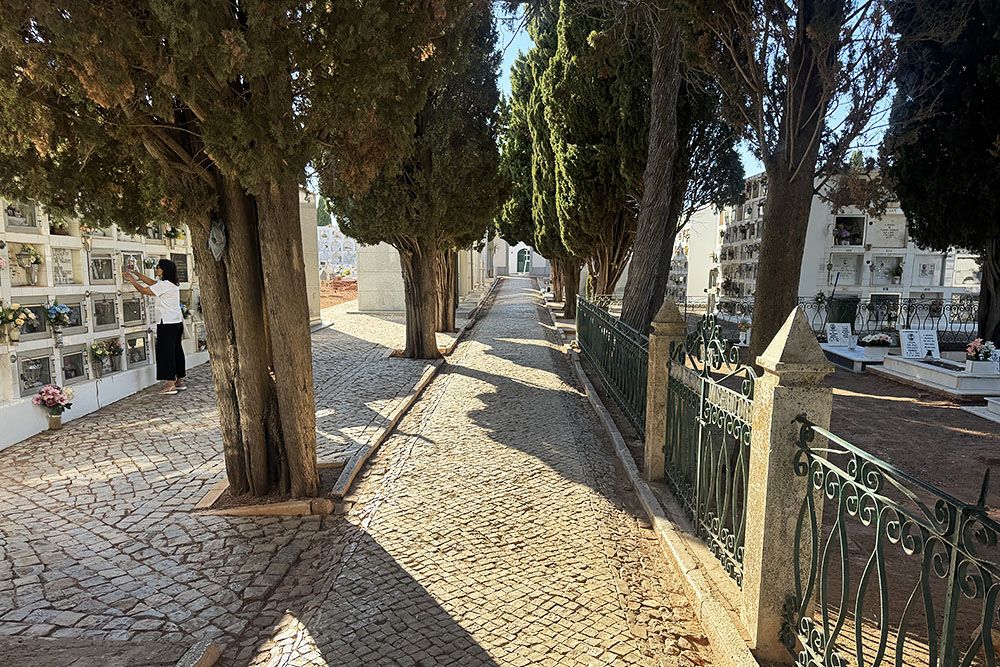
We pass the Cemitério de Castro Marim, and Jorge shares some vivid stories. “This cemetery has a fascinating history,” he says as we walk along the whitewashed walls. “For centuries, Castro Marim is a place of exile for convicts from all over Portugal.” Between 1421 and 1850, an estimated 3,000 exiles are sent here. Many of them lie buried here, far from home.
Jorge points to an older section. “In Portuguese tradition, the dead are first buried in the cemetery. Later, their bones are moved to a communal ossuary.” He tells us the cemetery has recently been expanded with nearly 200 new graves. “The old and new parts together tell the story of our village,” he smiles. “From a place of exile to a place people now visit for the salt — and the history.”
The Salt Pans of Salmarim
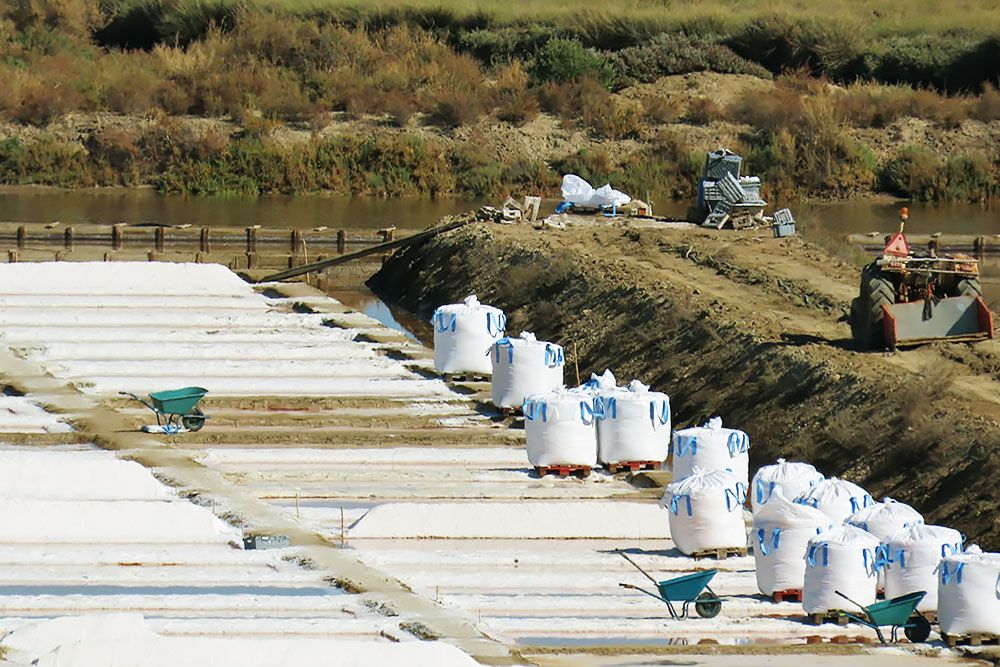
At the salt pans we receive a detailed explanation of the salt‑harvesting process. Jorge explains how he takes over Salmarim — his father‑in‑law’s family business — in 2007, completely changing his life. “I work in real estate, but during a summer here at the salt pans I fall in love with the craft,” he says with a sparkle in his eyes. Together with his wife he decides to focus entirely on fleur de sel, the delicate salt crystals that float on the surface.
“What you see here are probably the oldest salt pans in Castro Marim,” he says proudly as he guides us through a network of shallow basins. Seawater flows in through channels and slowly evaporates in the sun. “Most salt crystals sink to the bottom and become ordinary sea salt,” he explains. “But fleur de sel forms a delicate crust on the surface. We can only harvest it on sunny, dry days with a slow, steady wind.”
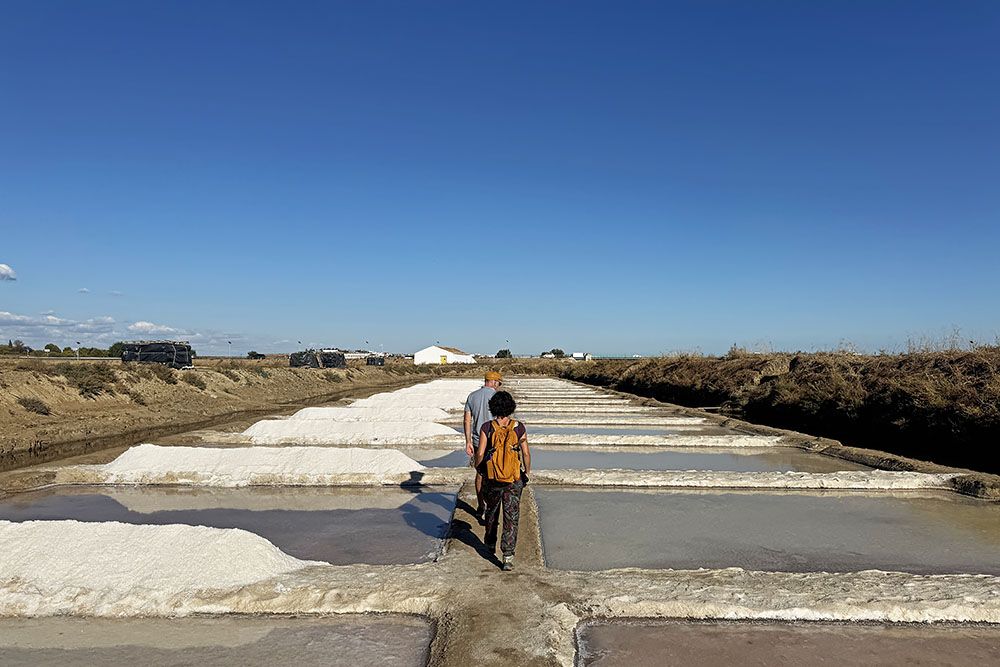
Jorge shows us how the salt is harvested in the Castro Marim nature reserve, which covers more than 300 hectares. “We are here to preserve what we have,” he says as he shows us the different colours of the pans. It is an idyllic place where the River Guadiana meets the Atlantic Ocean.
What once is a family business struggling after the decline of the canning industry is now a successful enterprise centred on salt. Jorge and his wife Sandra invest not only in quality but also in innovation. They work with the University of the Algarve to understand the ideal conditions for forming fleur de sel.
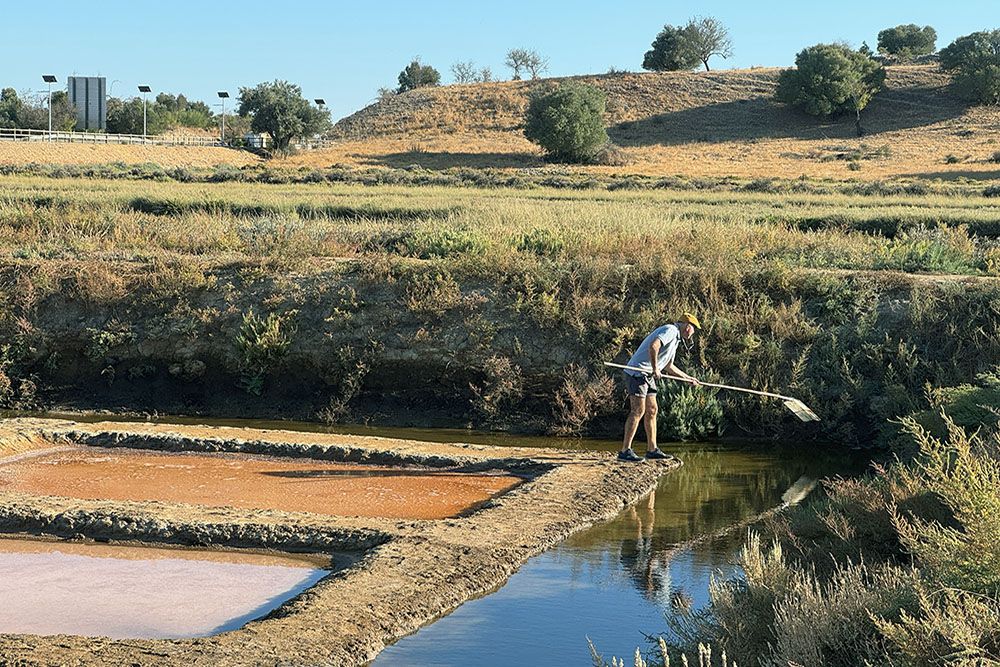
Harvesting the Fleur de Sel
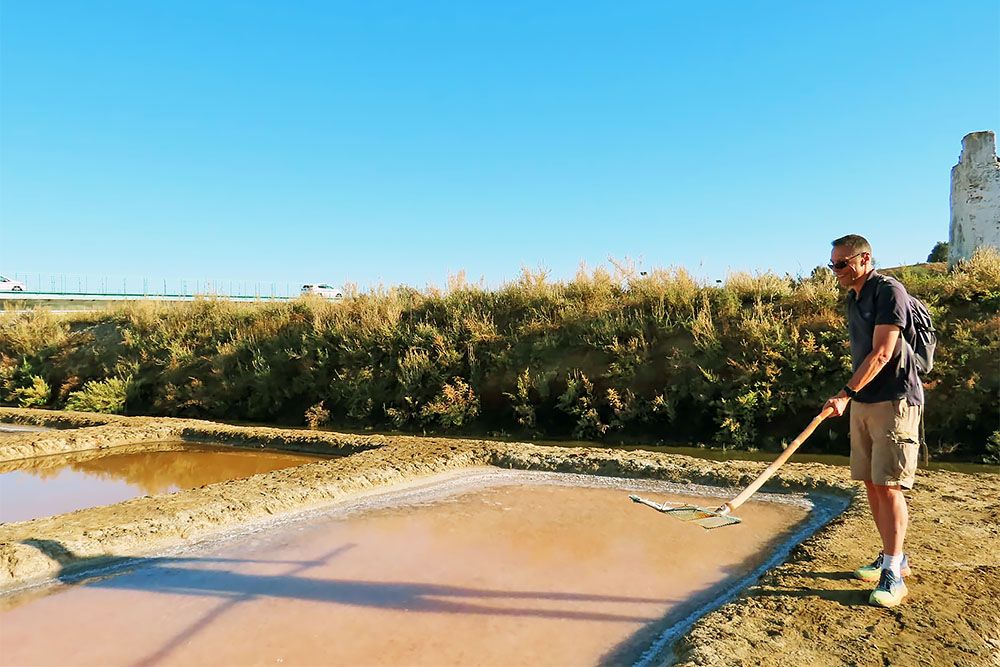
Now it is our turn. With a special wooden scoop we carefully skim the thin layer of crystals from the surface. It requires more precision than we expect.
Jorge scoops tiny live shrimp from one of the pans and invites us to taste them. We hesitate, but give it a try — and they taste surprisingly good.
Salt Tasting
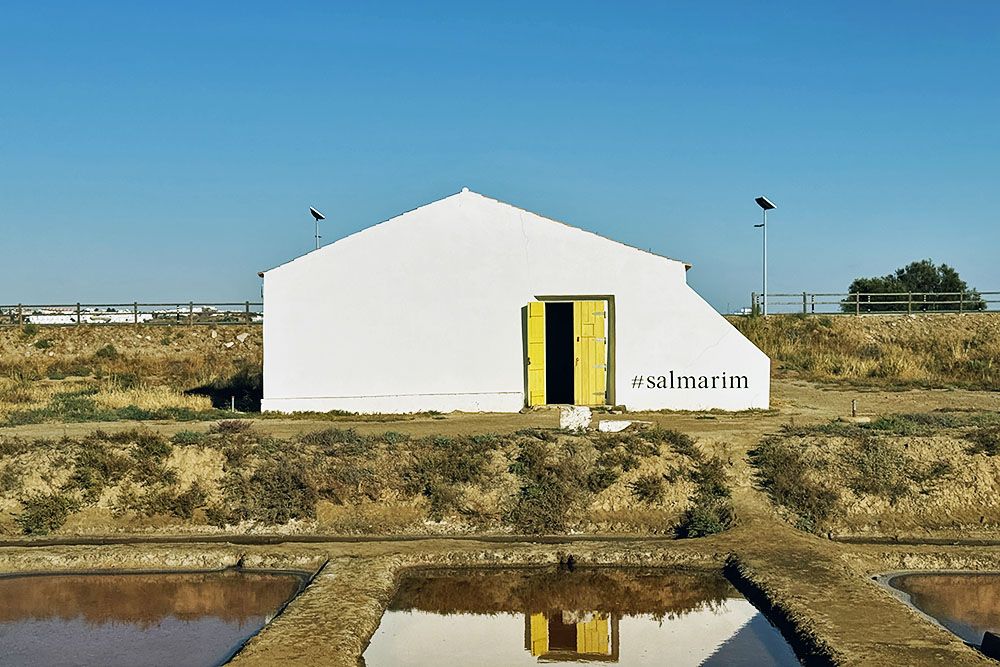
We then head to a large rustic barn that serves as a tasting room and shop. Jorge has displayed all his salt products in beautiful packaging. He invites us to a proper salt tasting. “First we will taste the difference between ordinary sea salt and fleur de sel,” he explains. He slices a juicy beef tomato and sprinkles one half with sea salt and the other with fleur de sel.
“Try the tomato with the sea salt first,” he instructs. The tomato tastes good, but when we taste the slice with fleur de sel, we are astonished. “Wow, what a difference!” we exclaim. The fleur de sel melts instantly on the tongue and subtly enhances the tomato’s flavour. Jorge explains that fleur de sel consists of delicate crystals rich in minerals and trace elements. “It is the cream of salt,” he laughs.
We also taste the fleur de sel on bread with olive oil, local cheese and even a piece of dark chocolate. Each bite reveals new nuances. The white wine Jorge pours completes the experience. We all agree: fleur de sel is a revelation.
The Castle of Castro Marim
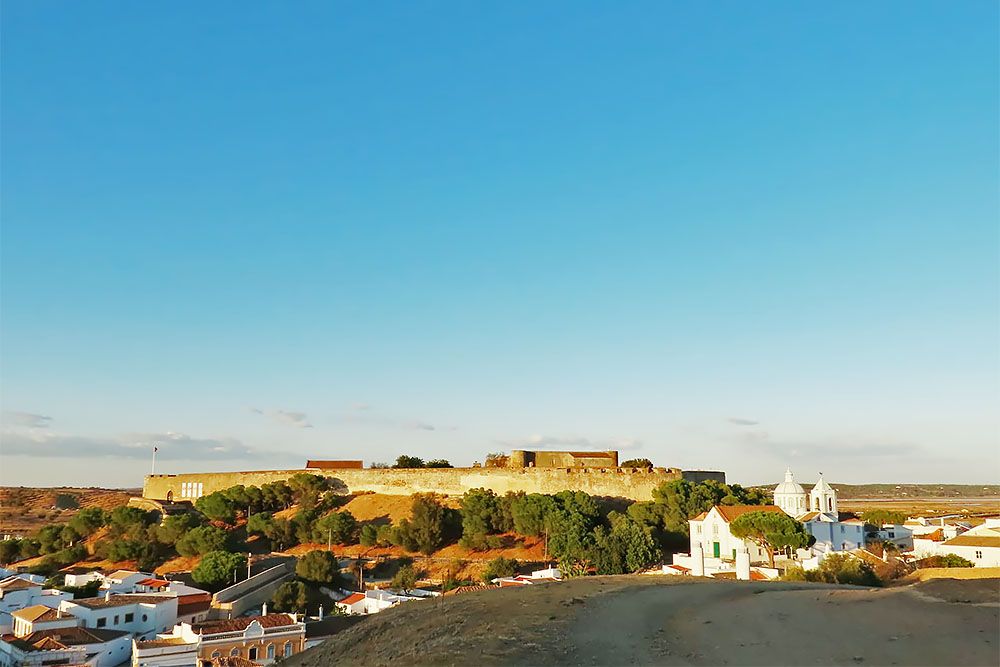
After saying goodbye to Jorge, we still have some time left. We decide to visit the castle of Castro Marim, which towers proudly above the village. This medieval castle is built in 1274 by King Afonso III of Portugal. It serves as a border fortress against Spanish incursions. In the early 14th century it even serves as the headquarters of the Order of Christ.
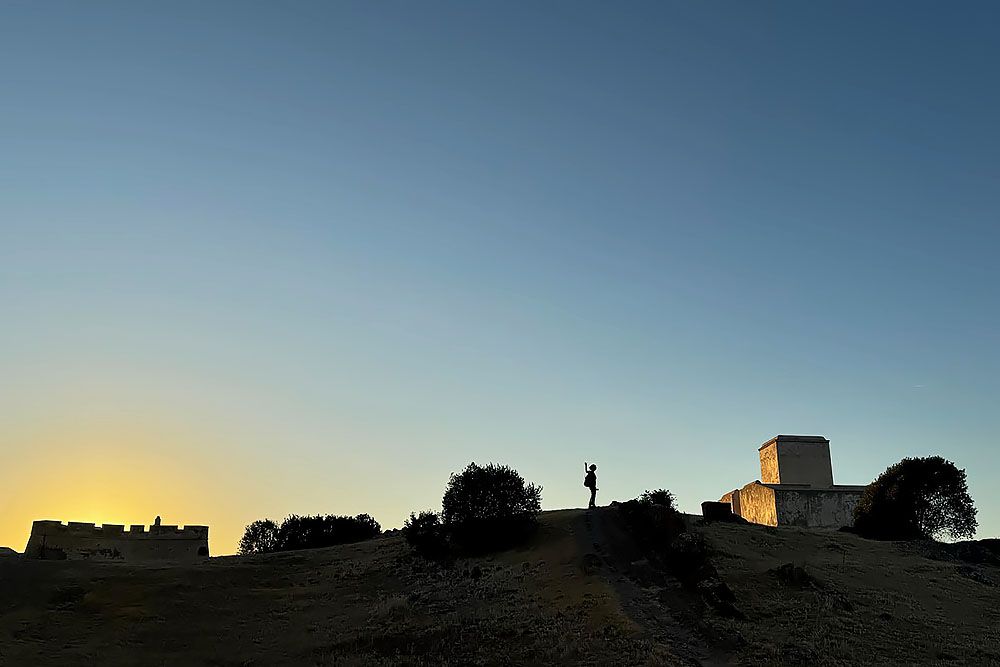
We catch the sunset from the castle walls, a perfect end to our day. The setting sun colours the salt pans in magical shades of pink and orange. Joana then takes us to Vila Real de Santo António, where we will spend the final night of our Algarve trip.
Vila Real de Santo António — A Royal Border Town
Joana takes a narrow parallel road to reach our accommodation in Vila Real de Santo António. The main street is closed due to a lively evening market on the central square. We are curious about the Pousada where we will be staying. Joana is curious too and walks in with us.
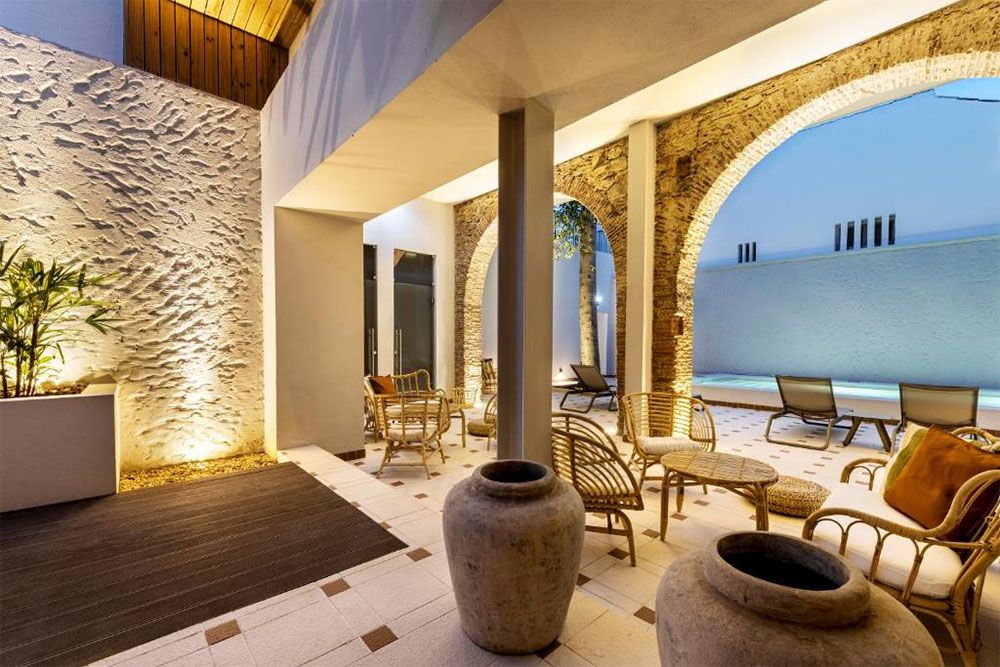
As soon as we enter, we are stunned by the beauty of the interior. The lobby exudes classic elegance with a modern twist. Large chandeliers hang from the ceiling, illuminating the marble floors. The receptionist welcomes us with a smile and a glass of local port.
Our room turns out to be even more beautiful than we imagined. The high ceiling and large windows create a sense of space. The décor is stylish and classic, with a comfortable king‑size bed and antique furniture. Yet we also have air‑conditioning, a modern bathroom and fast Wi‑Fi — the best of both worlds.
The Evening Market on Praça Marquês de Pombal
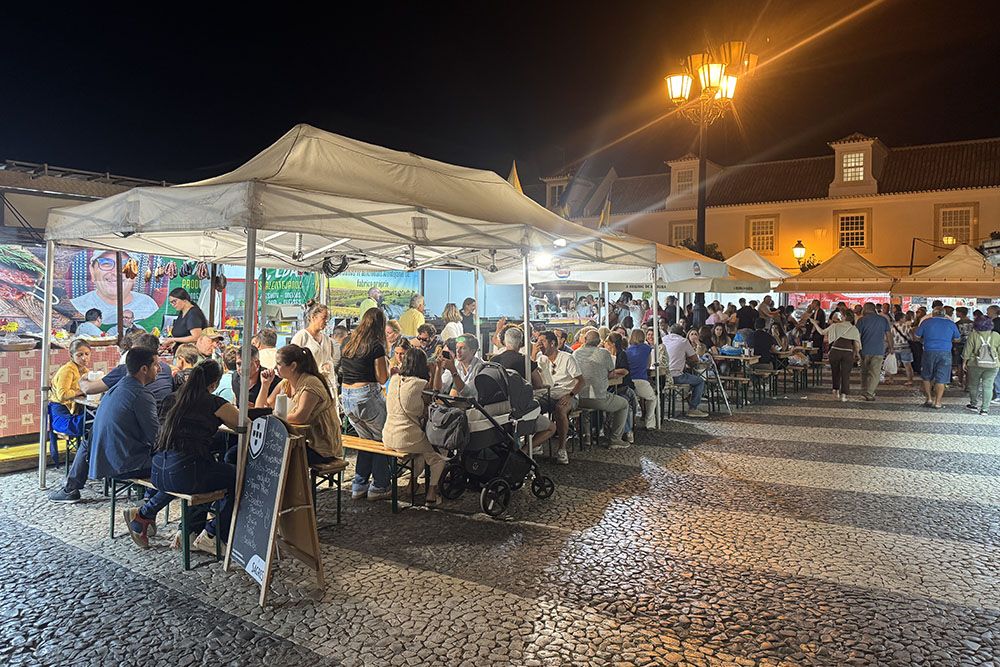
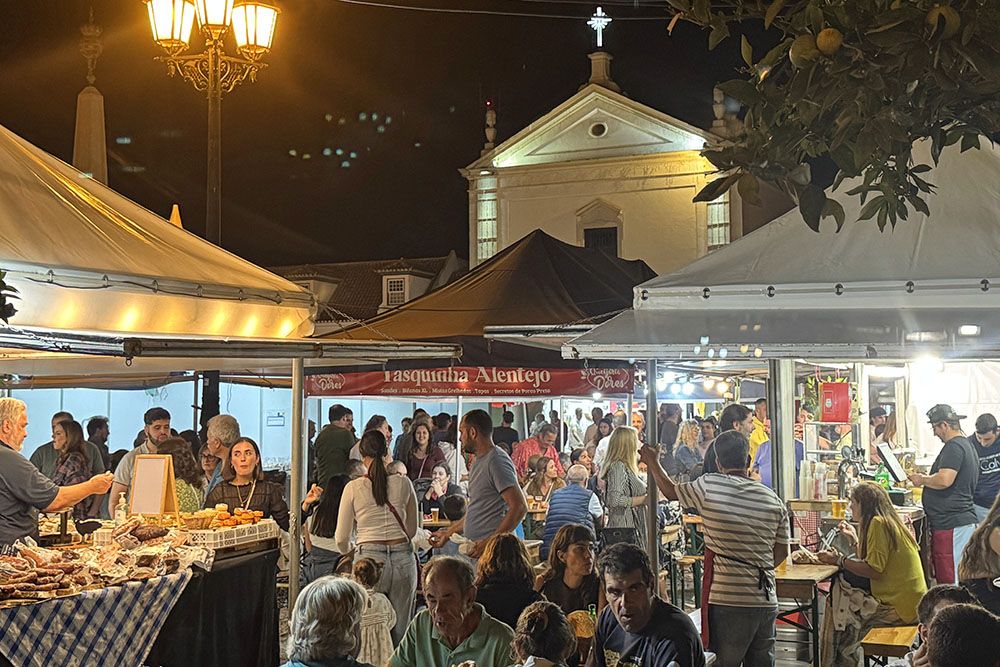
After a lovely meal on the terrace of our Pousada, we walk onto the central square, the famous Praça Marquês de Pombal. The square is buzzing with activity thanks to the evening market. Stalls offer local products, crafts and treats. Children run around while older residents sit chatting on benches.
The atmosphere is wonderfully relaxed, with a mix of locals and tourists. Families, couples and groups of friends all enjoy the warm evening.
A Walk to the Marina
After exploring the square we decide to walk to the marina. The harbour lies on the River Guadiana, the natural border with Spain. We follow the Avenida da República, a broad avenue lined with beautiful neoclassical buildings. Their white façades stand out against the dark night sky.
The history of Vila Real de Santo António is fascinating and unique in Portugal. Unlike other Portuguese towns, it is built from scratch in record time. The Marquis of Pombal wants to create a modern trading town to limit Spanish influence. The town is completed in less than two years — an impressive feat for the time.
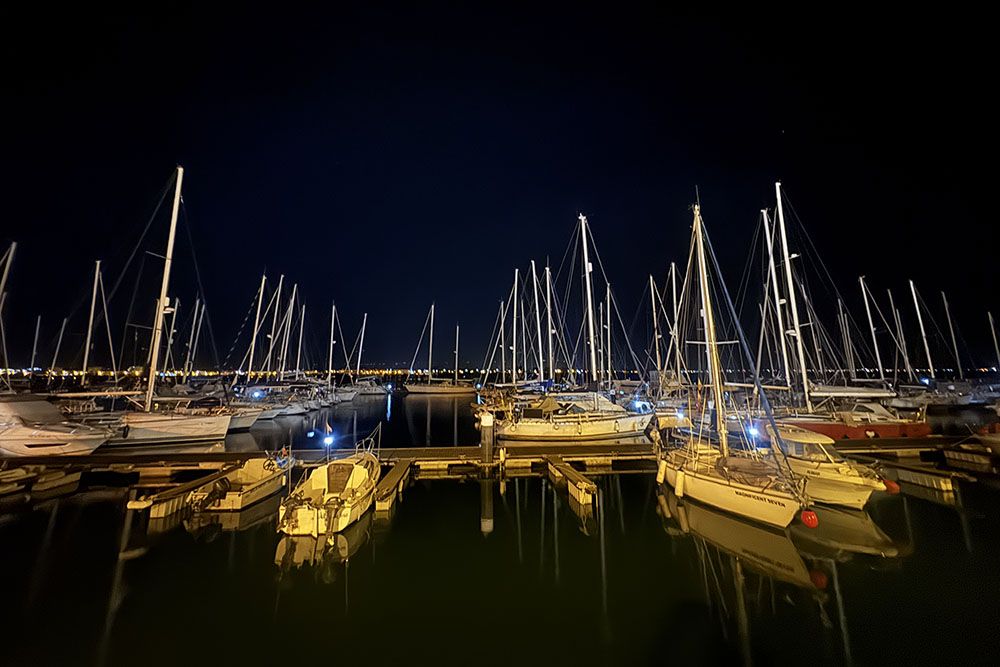
At the marina we see dozens of yachts and fishing boats gently rocking on the water. Across the river the lights of Ayamonte in Spain shimmer. It feels special to stand so close to another country. Some boats are still out on the river, their lights dancing on the dark water.
Farewell to the Algarve
Reluctantly we return to our Pousada, knowing we must rise early the next morning. Our flight from Faro to the Netherlands departs early. We would have loved more time in this charming town in the eastern Algarve.
We hope to return one day. There is so much more to discover in this region. The combination of history, nature and hospitality has won our hearts. Vila Real de Santo António, Castro Marim, Alcoutim and the Via Algarviana deserve more of our time.
As we fall asleep, we are already dreaming of our next trip.

Practical Information about Castro Marim and Vila Real de Santo António
Castro Marim and Vila Real de Santo António lie in the eastern Algarve, close to the Spanish border. They are easy to reach by car via the A22 motorway. From Faro it is about one hour by (rental) car. There are also bus connections from Faro and other Algarve towns. Vila Real de Santo António lies directly on the River Guadiana, which forms the border with Spain.
The highlights are the medieval castle, the Revelim de Santo António fort with its white windmill, the salt pans and the historic cemetery. The nature reserve surrounding the salt pans is also beautiful.
The salt pans are more than 2,000 years old and are among the oldest in Portugal. They are open to visitors, often with guided tours such as those given by Jorge Raiado, where you learn about the salt harvesting process.
Spring and early autumn are ideal due to the mild weather. In summer it can be very hot, but this is also peak salt harvesting season, when you see the process at its best.
Yes, the two places lie only a few kilometres apart. A day trip is easy, especially by car or taxi.
The salt pan nature reserve is an important protected area with many birds and unique flora. The surrounding wetlands and the River Guadiana also offer lovely walking and birdwatching opportunities.
Vila Real is an 18th century planned town, built after the Lisbon earthquake. It has a strict geometric street layout and a rich history as a border town. Its riverside location and proximity to Spain give it a distinctive atmosphere.
You can walk or drive across the bridge over the River Guadiana to the Spanish town of Ayamonte. There is also a ferry service in high season.
Castro Marim has a small but high quality selection of restaurants. A Tasca Medieval is highly recommended for traditional Portuguese dishes and good local wines. Zé da Tasca Petiscos is popular for its homemade dishes and cosy atmosphere. For fresh fish and authentic flavours, Restaurante O Infante is an excellent choice.
Vila Real de Santo António has a good range of excellent restaurants, especially known for fresh fish and local specialities. Recommended options include:
- Restaurante Cuca for seafood and Mediterranean dishes
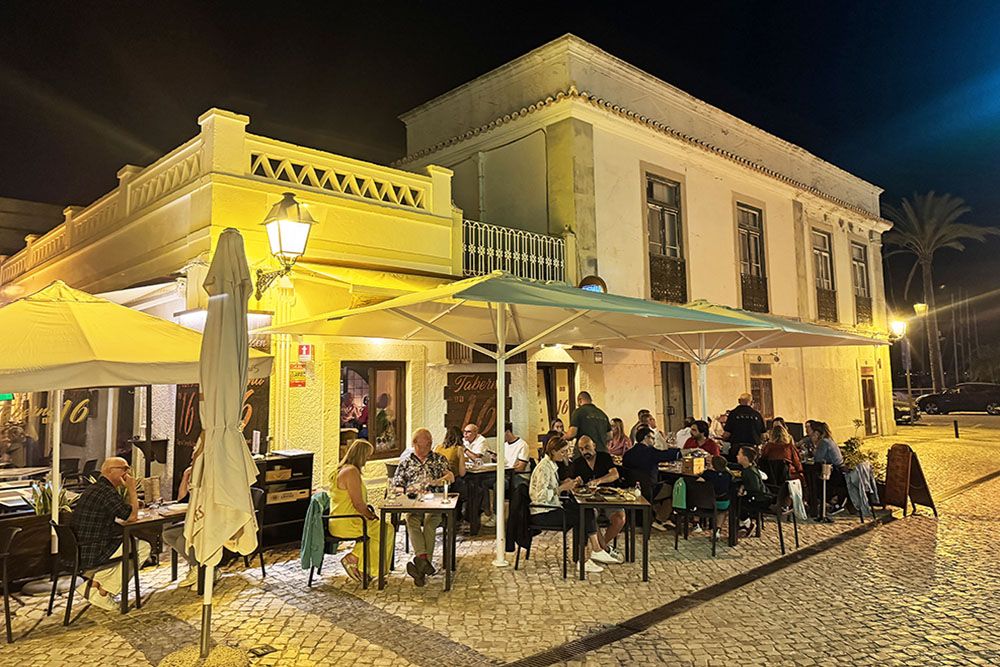
- Taberna Do 16 for traditional Portuguese cuisine and local wines
- Vegood for Mediterranean and international dishes, including vegetarian options.
In Castro Marim you find small, charming places to stay that match the village’s peaceful atmosphere. Aroucas Turismo e Natureza offers a quiet setting, a rooftop pool and friendly service. Castro Marim Golfe and Country Club is a large resort with villas in a vast natural area overlooking the Atlantic and the River Guadiana. Villa Salinas by Wave Algarve offers comfortable accommodation with free Wi Fi, a terrace and a garden — ideal for families and groups.
Vila Real de Santo António has a wider range of accommodation, from luxury hotels to apartments. Bordoy Grand House Algarve is a stylish hotel with modern facilities near the centre and the river. Villa Marquez Apartments offers spacious, air conditioned apartments ideal for families or longer stays. Pousada de Vila Real de Santo António provides elegant accommodation in historic buildings on the central square.