We love castles. That’s why we enjoy setting off on a proper castle walk. Or we hop on our bikes for a ride past historic walls. There’s plenty of choice in our own country, but just across the border we enter a true paradise: Wallonia is a haven for castle lovers. The region has one of the highest concentrations of castles in the world. The selection ranges from robust medieval fortresses to elegant Renaissance palaces. We explore several of these locations during a number of varied castle routes in Wallonia.
A landscape full of history
Around 1,500 castles stand in Wallonia. Nearly 300 of them are officially listed as protected heritage. This remarkable density is thanks to the region’s strategic position along rivers such as the Meuse, Lesse, Ourthe and Semois. For centuries, these places needed defending from invaders. It sometimes feels as though there’s a castle on every hilltop.
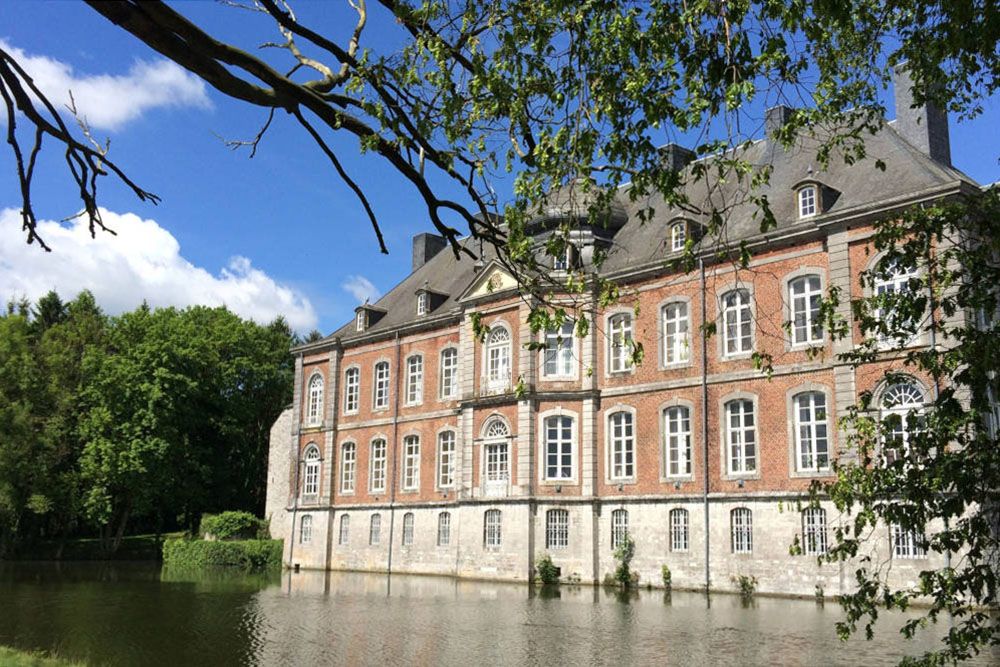
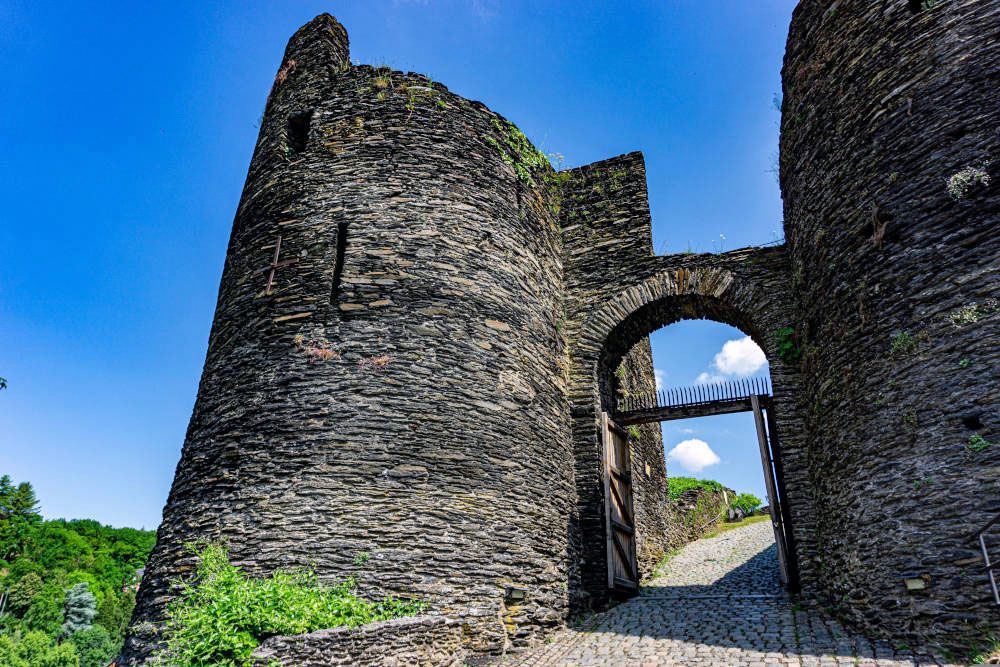
Some castles are sturdy fortresses that once guarded the borders. Others are refined palaces with symmetrical gardens and fountains. The variety is enormous. You’ll find medieval ruins slowly being reclaimed by nature, but also perfectly maintained residences where noble families still rule. These buildings tell the story of a turbulent past and make the region’s history tangible.
Castle routes in Wallonia: suitable for every pace
The region has created several castle routes. You can experience them in many ways. There are beautiful driving routes, ideal for covering long distances with ease. You wind through twisting valleys and stop wherever you like.
For those seeking more action, the bicycle is ideal. Pedalling through the rolling landscape, you enjoy Wallonia’s beautiful nature. Many cycle paths run along the rivers and are fairly flat. Still, an e bike can be useful, as other routes pass through more hilly terrain.
Walkers are equally well served. Many castles are linked by marked footpaths. You walk through dense forests, along riverbanks and across open fields. The reward is often a wide view of a sturdy fortress in the distance.
We spend a few days following several castle routes in Wallonia, both cycling and walking. We use the car to travel between the different areas.
Cycling along the Meuse to Freÿr Castle
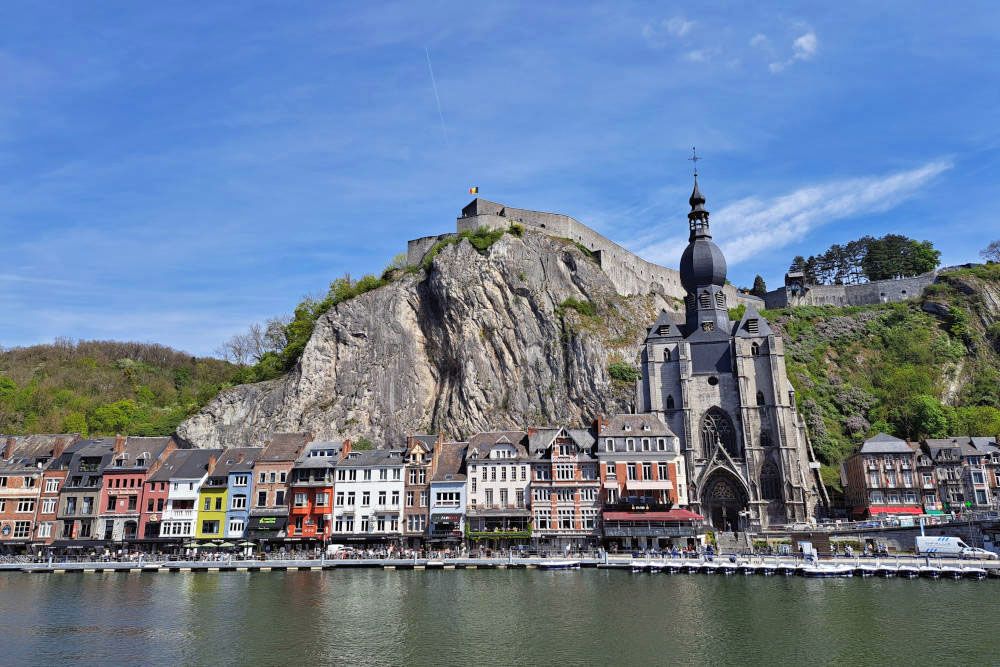
Our journey begins in Dinant. We first admire the famous view from the opposite bank: the Meuse, the boulevard and the striking church beneath the steep cliff. The citadel on the hill keeps watch over everything. Of course, we take a photo. It’s probably the most photographed scene in the city. On the bridge across the river we see colourful saxophones everywhere. No surprise: Adolphe Sax, the inventor of the instrument, was born here.
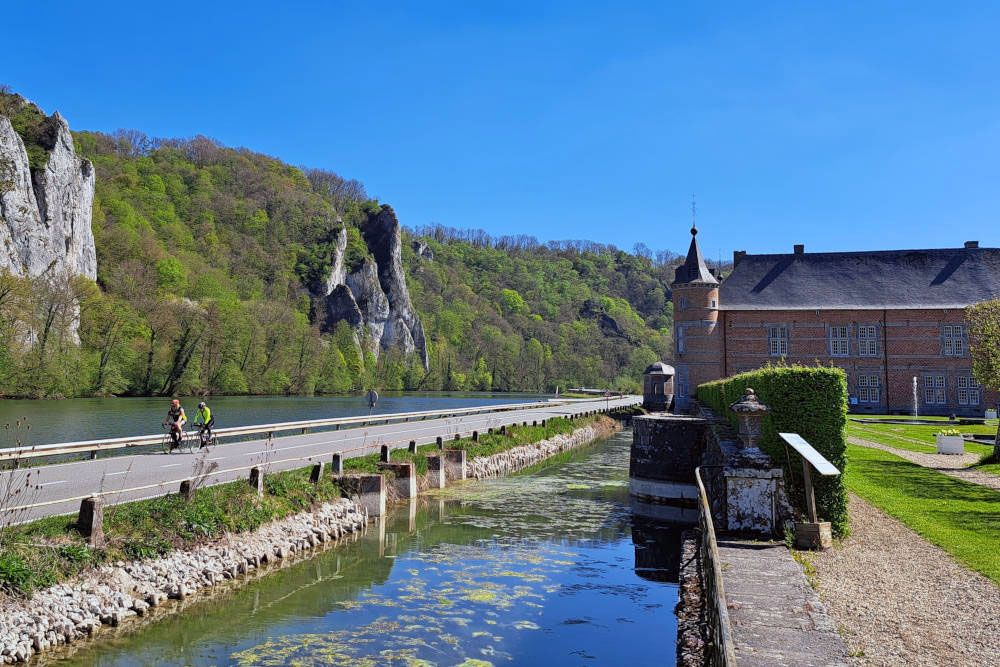
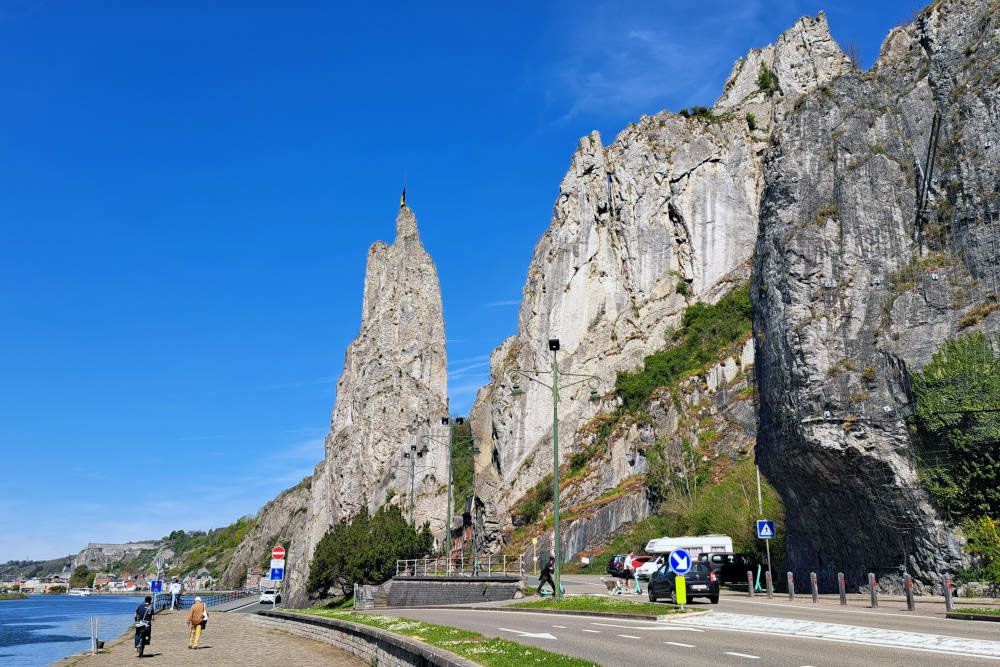
We take out our bikes for a ride along one of the many RAVeL routes, a network of car free paths built on old railway lines and towpaths. We cycle south along the river, the sun reflecting on the water. After a few kilometres we pass the famous split rock, the Rocher Bayard. According to legend, the horse Bayard leapt across the Meuse here, splitting the rock with its hooves. It’s an impressive sight as we ride past.
Unfortunately, the RAVeL route isn’t complete everywhere. We have to cycle about five kilometres on the main road. Luckily, it’s not too busy when we’re there. Soon we see our destination in the distance: Freÿr Castle.
The grandeur of Freÿr Castle
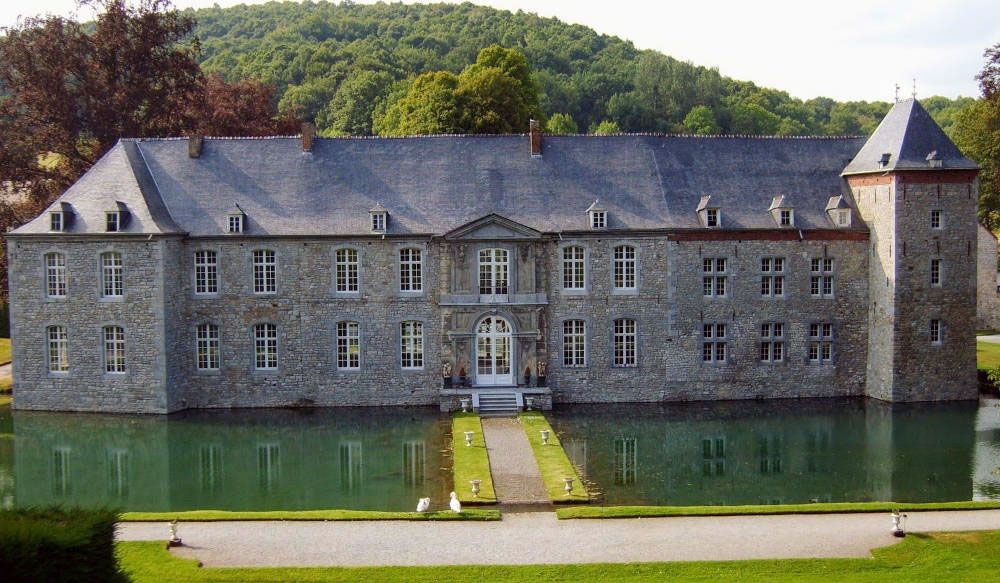
We arrive at Freÿr Castle. It sits right on the Meuse and looks impressive. Its style immediately reminds us of French palaces. Remarkably, this castle doesn’t stand high on a rock but directly beside the water. In the past, danger came from the river. It also allowed control over shipping.
We’re lucky with our timing. The famous orange trees are still inside the Orangerie. It’s just a little too early in the season to move them outside. Inside, the trees stand in large wooden tubs, overwintering. Some are hundreds of years old. A subtle citrus scent fills the air. We finally understand the true purpose of an orangerie: a luxurious winter home for these special plants. Once it gets warmer, they are moved to the geometric gardens outside.
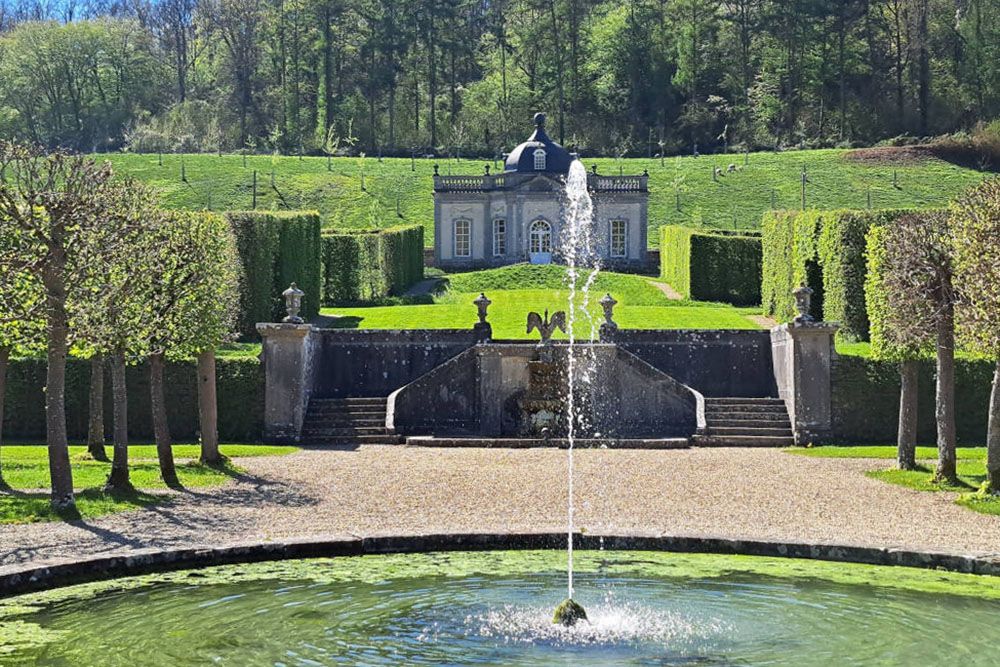
We look at the imposing cliffs on the opposite bank. Our guide tells us they are popular with experienced climbers from various countries. Their shape makes reaching the top a real challenge. The gardens around the castle are especially beautiful, with crisp symmetrical lines showing clear French influence.
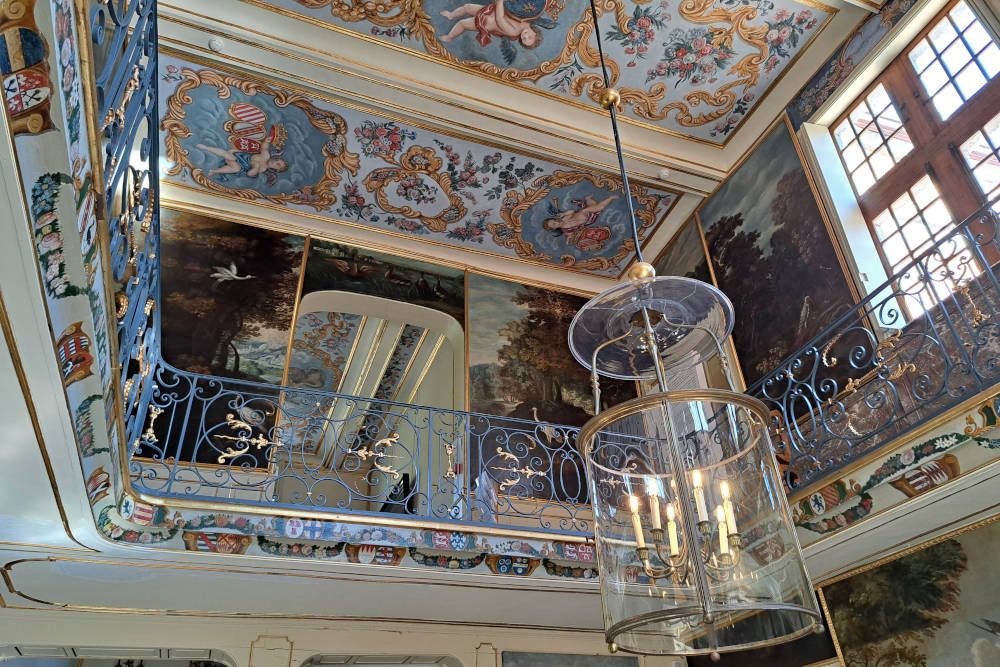
Inside the castle, we wander through the rooms. We see beautiful murals and antique furniture. The guide tells us about the “coffee treaty”. In 1675, France and Spain signed the Peace of Freÿr here. According to tradition, coffee was served during the negotiations—the first time the drink was consumed in this region.
Walking to Walzin Castle
Our base today is the hotel Castel de Pont à Lesse. It is itself a former castle, which completes the experience. At the hotel we put on our walking boots and head through woodland towards Walzin Castle. The path follows the banks of the Lesse, which flows gently between the trees.
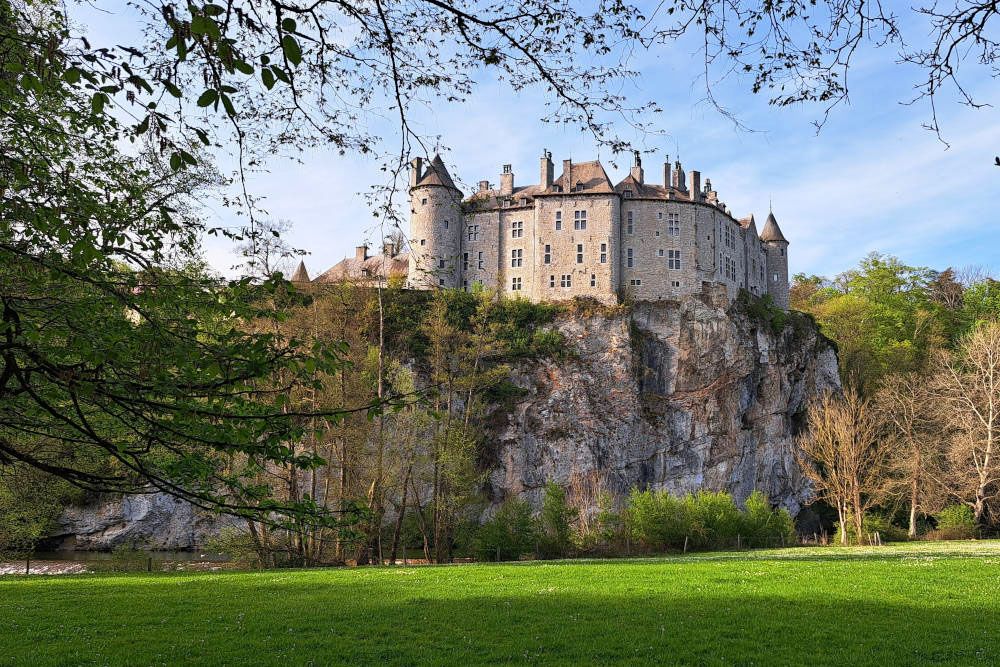
Suddenly the castle appears above us. Walzin stands on a sheer cliff above the water. It looks almost unreal, so close to the edge. We can’t visit the interior. It’s private property and the owners keep the doors closed. Still, the view from the riverbank is more than worth it. We take plenty of photos before returning to our hotel.
Walking to Vêves Castle
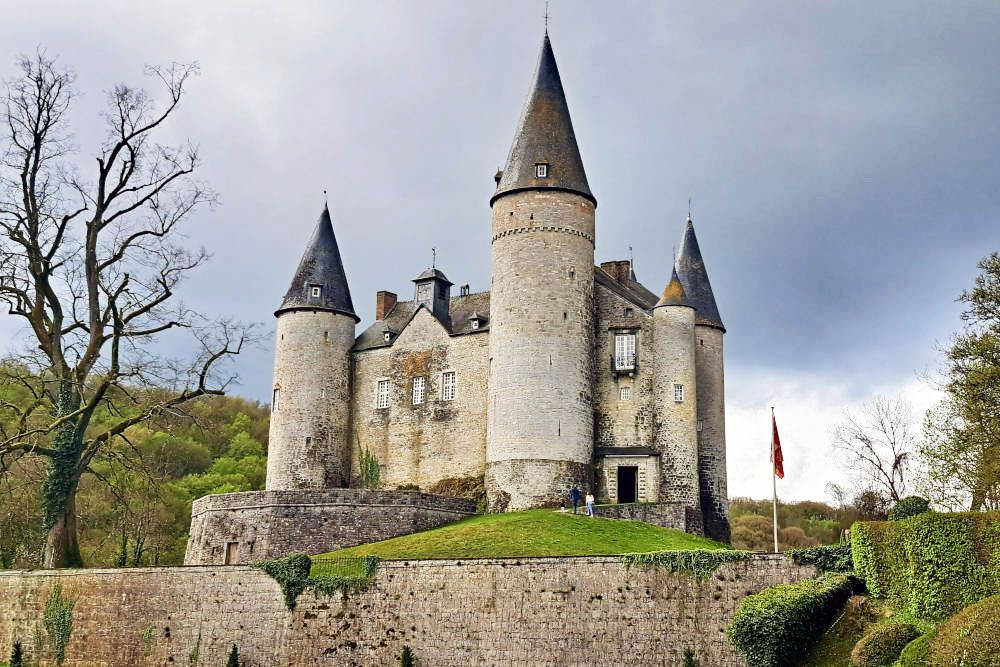
The next day we drive to Celles, officially listed as one of the most beautiful villages in Wallonia. We see charming limestone houses and an old Romanesque church. From the centre, a walk leads to Vêves Castle. It’s spring and the fields are full of rapeseed. The bright yellow stands out against the threatening dark blue sky.
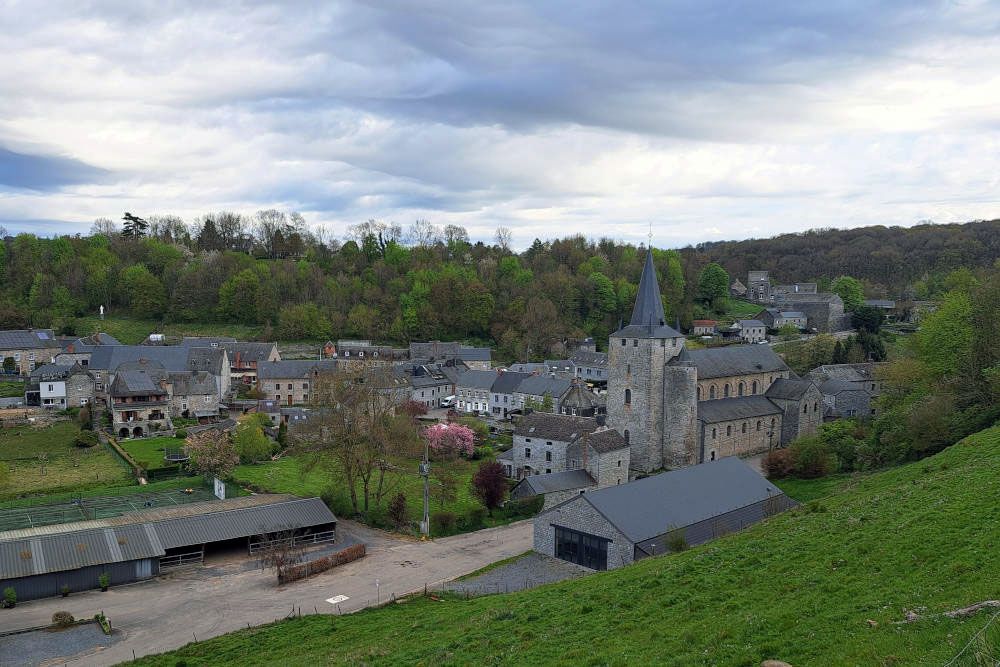
We pass a small hamlet and soon see the towers of Vêves Castle. It rises proudly above the valley. As we get closer, we hear cheerful noise. A group of schoolchildren are running around the playground at the entrance, burning off energy before their tour. Just before the lively group enters, we go inside. It’s a true fairytale castle with narrow staircases and round towers. The rooms are atmospherically furnished with pieces from different centuries. It’s easy to imagine how people once lived here.
After the tour we leave the castle. We look back one more time. The sight of the fortress on the hill remains captivating. We walk back to Celles along quiet farm tracks. We settle on the terrace of Le Val Joli for a delicious lunch. The fresh asparagus is a real treat. Wallonia offers more than history. Its culinary scene is equally delightful.
The imposing castle of Bouillon
After our lunch in Celles, we drive for about an hour to Bouillon. Our hotel, De la Poste, is in the centre. It’s a characterful building with many original details. You can feel the history in the corridors. Napoleon once slept here—not the famous Bonaparte, but his nephew. It doesn’t make the grandeur any less. We drop our bags and walk straight to Bouillon Castle.
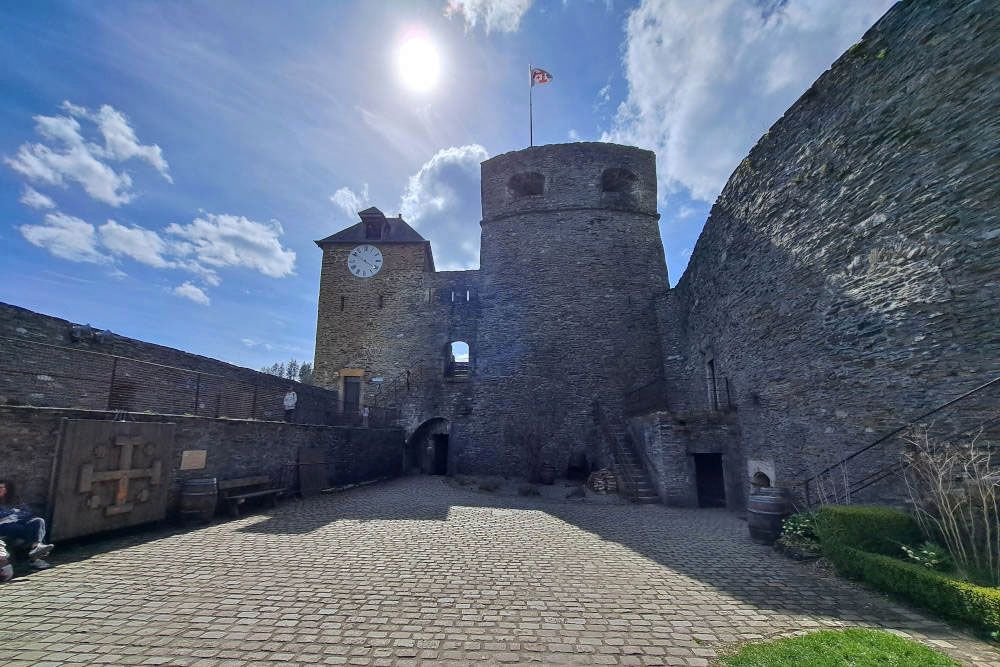
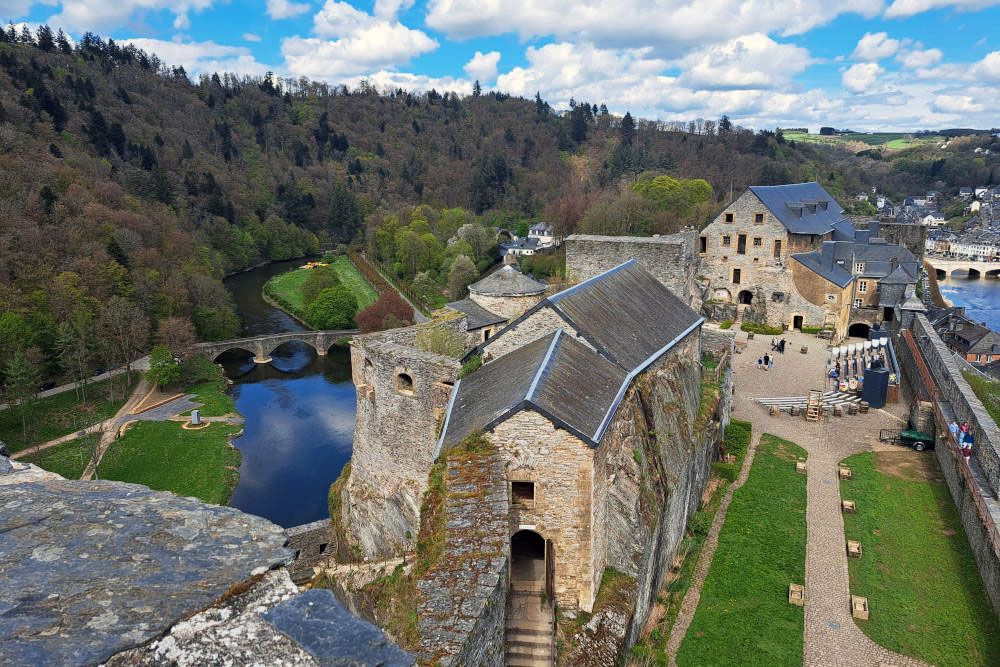
The castle is a striking sight. It stretches along a narrow rocky ridge. The builders cleverly used the natural shape of the rock. Some walls seem to merge seamlessly with the stone beneath. Inside, we watch a birds of prey show. We see buzzards, a snowy owl and even vultures up close. The birds skim just above the audience’s heads. It fits perfectly with the atmosphere of this medieval fortress.
Climbing above the Semois
After visiting the castle, we head into nature. We walk along the Semois. The river meanders beautifully in a wide loop around Bouillon. The walk is just over seven kilometres. It’s not a gentle stroll; we often have to climb steeply and scramble over rocky paths. We’re sweating, but the views make everything worthwhile.
Along the way we reach a suspension bridge. We can’t resist crossing it to test the wobbling steel. Then comes the final climb to the Belvedere. From this lookout tower we have a stunning view of the town and the river. The descent back to Bouillon is much quicker. Our legs feel the kilometres, but we’re satisfied.
Pedalling past Lavaux Sainte Anne Castle
The next morning the alarm goes off early. Breakfast at the hotel starts at eight, but we want to leave sooner. We quickly grab some fresh rolls from the bakery across the street and drive to Han sur Lesse. This village is best known for its cave. We skip that today. Instead, we pick up our rental bikes for a ride to Lavaux Sainte Anne Castle.
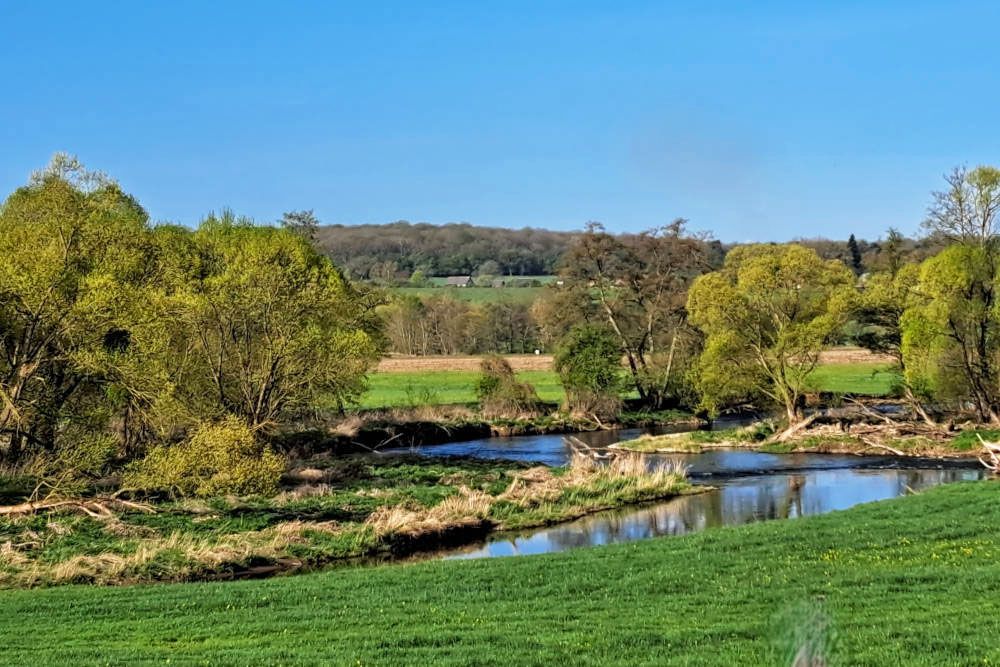
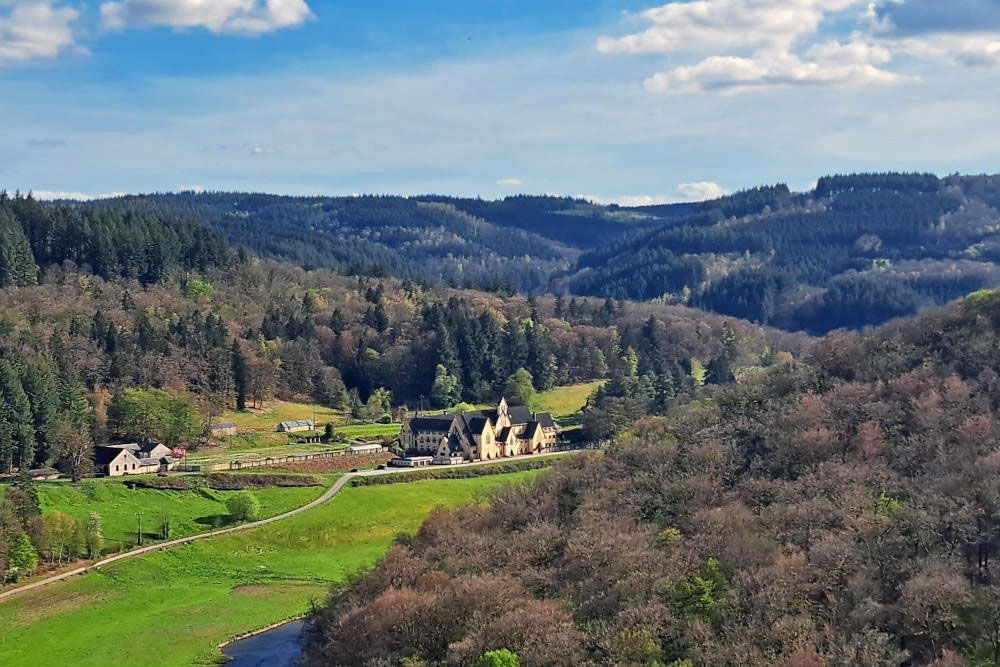
The route takes us through varied scenery. We cycle along stretches of the Lesse and follow parts of the RAVeL route. Sometimes we leave the smooth paths and bump along farm tracks full of potholes. We decide to cut a small corner to save time, shortening the official 50 kilometre route to about 37 kilometres. In the distance we already see our destination: Lavaux Sainte Anne Castle. Its round towers stand out beautifully against the horizon.
Reflections at Lavaux Sainte Anne
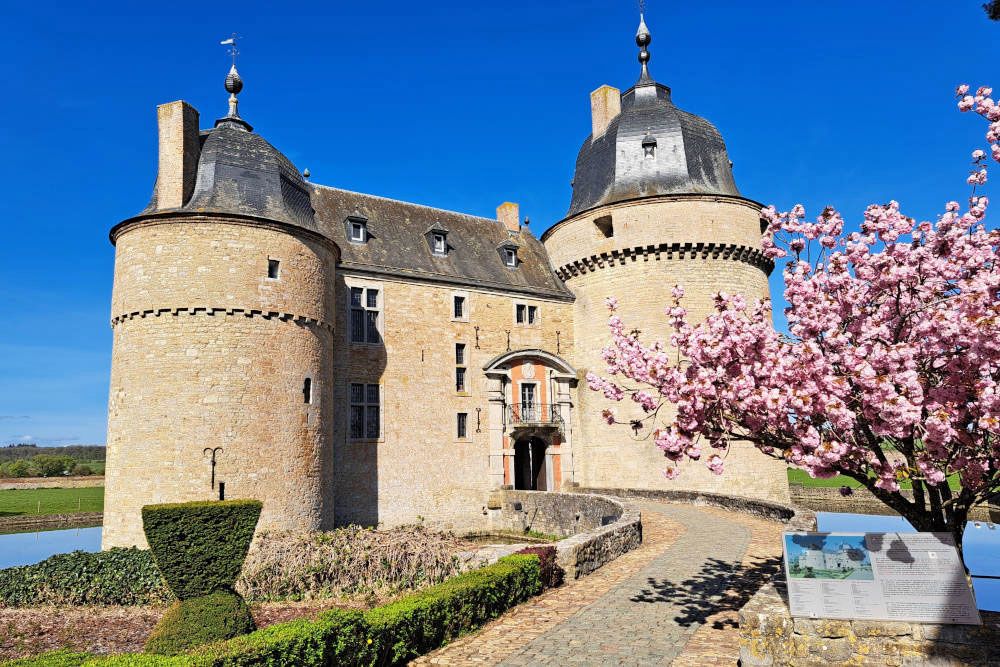
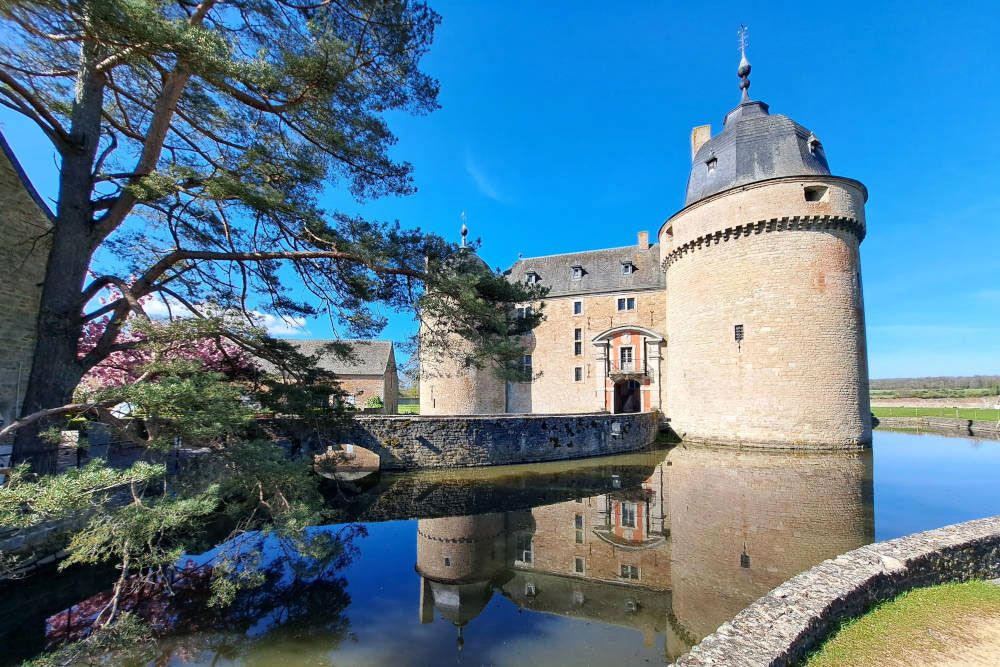
A little later we stand at the gate. Unfortunately, a private event is taking place. We can’t visit the castle or the three museums inside. Luckily, we are allowed onto the courtyard. It’s a beautiful sight. The castle shines in the bright sun. In the water of the moat we see a perfect reflection of the walls.
The garden looks wonderful. The trees are in full bloom, creating a colourful display. We take plenty of photos before getting back on our bikes. We ride back towards Han. At one river crossing we need to get to the other side. Fortunately, there’s a wooden footbridge. A few enthusiastic mountain bikers choose the route through the water and wade across with their bikes.
Then our final castle route in Wallonia really comes to an end. We finish our trip with a lovely lunch on the terrace of l’Histoire sans Faim in Han sur Lesse. We’ve enjoyed the mix of history, activity and local cuisine. Wallonia has surprised us with its imposing castles, hidden stories and culinary highlights.
Frequently asked questions about the castle routes in Wallonia
There are countless routes leading past the most beautiful historic gems. Conveniently, there are 13 free route booklets available for the different regions of Wallonia. You can view and download them online. The booklets also include tips for other sights near the castles.
You can explore the castle routes by car, by bike or on foot. See the various routes on this page.
Yes, the castle and its famous gardens are open to the public. The Orangerie is especially worth seeing if the orange trees are still inside. Check the Freÿr Castle website for current opening hours.
Certainly. This fairytale castle is beautifully maintained and offers interesting guided tours through its furnished rooms, towers and armoury. Visit the Vêves Castle website for more information.
Yes, the fortress of Bouillon is open daily. You can explore the entire site and enjoy the impressive birds of prey show in the courtyard. See the Bouillon Castle website for all practical information.
Normally, yes. The castle houses three small museums. One shows the life of the nobility in the 17th century. Another focuses on hunting in the region. The third explores the daily life of ordinary people in the past. Do check the agenda for private events, as the interior is sometimes closed. The gardens and courtyard are often still accessible. Visit the Lavaux Sainte Anne Castle website for more information.
Besides the castles we visited, there are many others worth seeing. These are still on our wish list:
- Modave Castle – beautifully located on a steep rock above the Hoyoux valley, world famous for its 17th century stucco ceilings and luxurious rooms.
- Belœil Castle – also known as the “Belgian Versailles”, famous for its vast French gardens and impressive library with more than 20,000 books.
- Reinhardstein Castle – located in the High Fens, the highest castle in Belgium, hidden in a deep forested valley.
Yes. The digital booklets for the different castle routes include descriptions. You can scan the QR codes for the routes.
Wallonia has an official list called Les Plus Beaux Villages de Wallonie. Celles, which we walked through, is one of them. Other recommendations include Crupet, Torgny and Mélin.
The VISITWallonia.be Pass is a digital discount card that you can download for free on your phone. It gives you discounts at more than 200 tourist attractions, museums and even some accommodations across Wallonia.
It’s definitely worth requesting the pass, as many castles participate. It costs nothing and saves you money on entry fees.
We stayed in two very characterful hotels:
- Castel de Pont à Lesse – a castle hotel in a beautiful park like setting near Dinant.
- Hotel De la Poste – a historic hotel in the heart of Bouillon with many original details.
For a complete overview of campsites, B&Bs and hotels, visit the accommodation page of Visit Wallonia.
choose a simple brasserie or a gastronomic dinner, the quality is often high. We enjoyed excellent dinners at the restaurants of Castel de Pont à Lesse and Hotel De la Poste in Bouillon. Our lunch spots in Celles (Le Val Joli) and Han sur Lesse (l’Histoire sans Faim) were also wonderful. Be sure to try local specialities such as Ardennes ham, regional cheeses and the many abbey beers.
We followed several castle routes in Wallonia at the invitation of Visit Wallonia. The content of the blog was created independently and objectively based on our own impressions.